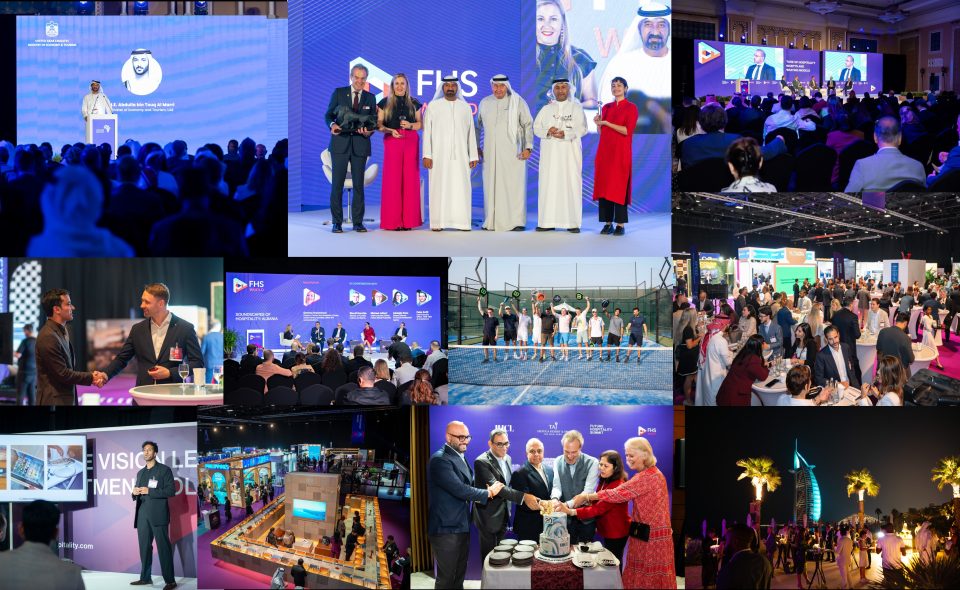
If anyone still thinks success in hospitality is about counting keys, FHS World 2025 delivered a very public reality check. According to The Bench, organisers of the Future Hospitality Summit, the era of room-led growth is officially over. So what does the future look like? In a snapshot – integrated ecosystems, lifestyle platforms and purpose-driven destinations that connect people, place and purpose.
After nearly 1,600 hospitality leaders from more than 70 countries checked in to Dubai for FHS World 2025, it was obvious that a new wave of ideas is reshaping hospitality in the Middle East, and at super sonic speed, too. From non-hospitality brands muscling into real estate to AI quietly transforming operations, the sector is entering its most dynamic phase yet.
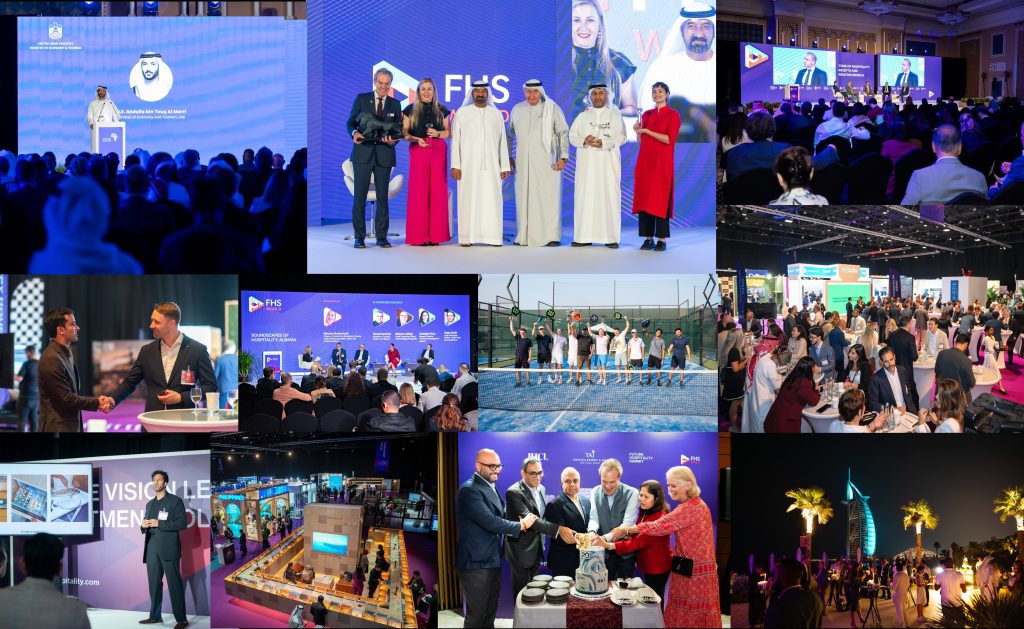
The numbers back it up, too. FHS World 2025 welcomed more than 250 investors controlling US$5.5 trillion in assets, with US$975 million in business opportunities on the table and 12 major partnership agreements, MOUs and hotel development contracts signed during the three-day event.
With preparations already underway for FHS Saudi Arabia in Riyadh, 20–22 April 2026, The Bench shared five standout takeaways from FHS World 2025 that are shaping the future of hospitality and tourism across the region.
“As we look toward the next few decades, the mandate is clear. The hospitality sector must build destinations that foster community, resilience, and genuine human connection. Room-based metrics have checked out, making way for building with purpose, connectivity, empathy and sustainability.” – Jonathan Worsley, Chairman & CEO of The Bench
1. Lifestyle platforms and branded residences on the up
The definition of a hospitality asset has officially grown up. Traditional room inventory is making way for integrated ecosystems that combine living, working and leisure, and nowhere is this clearer than in the explosive growth of branded residences.
The sector has expanded by almost 200% in the past decade and is forecast to more than double again by 2030. What’s fuelling the surge? A wave of non-hotel brands, including automotive and fashion heavyweights such as Aston Martin and Pininfarina, entering the space with confidence.
Rather than selling a stay, these brands are selling identity, culture and lifestyle, and investors are buying in. In competitive markets like Dubai, branded residences are commanding price premiums of up to 47%. That said, experts warned that glitz alone won’t cut it. Without trusted, top-tier hospitality partners managing services such as housekeeping and concierge, the long-term value of branded residences can quickly erode.
2. Automate the predictable, humanise the exceptional
AI was everywhere at FHS World 2025, but the conversation has evolved. The industry is no longer asking “if” AI belongs in hospitality, but instead, “how to use it well”.
Experts were clear that AI should enhance the human touch, not replace it. When deployed correctly, AI has become a powerful efficiency engine, driving smarter revenue management and leaner operations. The right systems can boost RevPAR by up to 9% and GOP margins by 4% in just 90 days, according to data shared at the summit.
Despite the tech, hospitality leaders agreed that emotional intelligence remains the industry’s secret sauce. Guests may expect speed and convenience, but genuine human connection still seals the deal. The sweet spot is where AI can handle reservations, payments and repetitive admin, freeing staff to focus on empathy, creativity and meaningful guest interactions.
3. Sustainability gets serious
At FHS World 2025, sustainability officially graduated from “nice-to-have” to hard-nosed risk management. With extreme weather events on the rise, insurers are pulling back from high-risk markets, forcing hoteliers to rethink sustainability as a core strategy for asset protection and insurance affordability. Climate risk is no longer theoretical, it’s financial.
Investors are also raising the bar. Future developments are increasingly expected to meet high environmental standards, such as BREEAM certification, to attract eco-conscious travellers and institutional capital alike. Put simply, green buildings = happy guests + happy investors + green funding. It’s a win-win-win!
4. The Middle East as the global test lab
While Western markets wrestle with high debt costs and tariffs, parts of the Middle East, particularly Saudi Arabia and the UAE, are enjoying strong liquidity and healthy transaction volumes.
Saudi’s hospitality, tourism and real estate transformation is moving at pace, driven by legislative reforms such as the foreign ownership law taking effect in January 2026 and the white land tax, both unlocking land for development. The focus is firmly on diverse, mixed-use destinations that serve international tourists and local communities, in line with Vision 2030.
Meanwhile, Dubai continues to pull in foreign direct investment thanks to its transparency, maturity and proven ability to reinvent itself, successfully transitioning from a seasonal hotspot into a year-round global destination.
5. Wellness 2.0: the gym for your mind
Finally, the wellness offering has extended beyond a spa and a decent gym. The industry is shifting towards holistic wellbeing, longevity and mental health, and guests are demanding more. Cognitive wellness is front and centre, with growing interest in so-called “gyms for the mind” that tackle information overload and stress. These concepts integrate ancient practices like Ayurveda with modern neuroscience to help guests reset and recharge.
Sleep tourism is also on the rise, and high-performance hospitality brands, such as Equinox Hotels, are designing environments where sleep quality and regeneration are core pillars of the guest experience, not afterthoughts. So those pillow menus are getting a glow-up, and snooze-worthy experiences are the new luxury standard.
“The next 20 years of hospitality will not be defined by who builds the most, but by who builds with the most purpose. Whether it is creating 15-minute connected communities in Riyadh, empowering the workforce with meaningful career paths, or designing regenerative real estate that improves human health, it is clear that the future belongs to those who can create lasting, emotional connections.” – Worsley