
Across the Middle East, travel is evolving at speed. From the rapid expansion of aviation hubs to the rise of smart tourism initiatives, the region is positioning itself as one of the most forward-thinking travel ecosystems globally.
But alongside innovation, a critical question is gaining traction: Who is travel really being designed for?
Accessibility is no longer a niche consideration. It is becoming central to how travel brands in the Middle East differentiate, scale, and build trust, both with global travellers and within their own domestic markets.
From infrastructure to experience: a regional shift
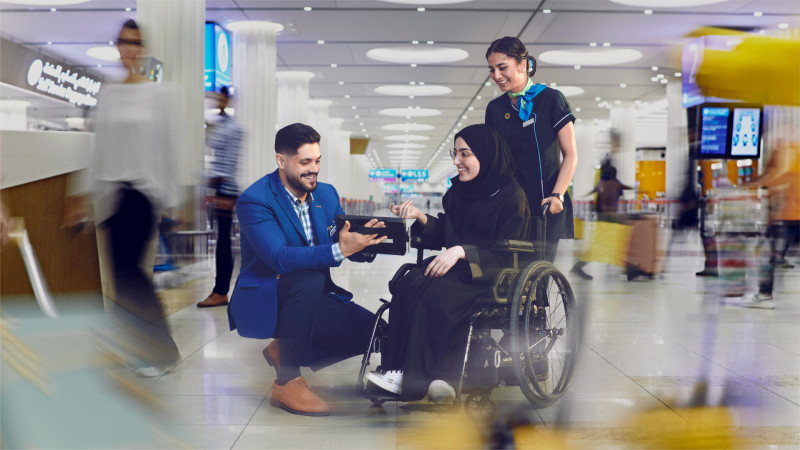
The Middle East has made significant investments in accessibility infrastructure. Initiatives like Dubai Airports’ long-term accessibility strategy and inclusive hospitality frameworks emerging across the Gulf signal real momentum.
However, infrastructure alone isn’t enough, and a critical gap remains that is not just physical. It’s uncertainty.
- 40% of travellers are unsure whether airports can meet their needs
- 33% struggle to find clear accessibility information before travelling
- 28% don’t know if they can board with their mobility equipment
Can the airport handle my equipment? What assistance do I need to request? Will airline procedures match what I’ve been told online? These are all sentiments causing a gap between what exists physically and what is communicated digitally, and it creates friction, reduces confidence, and ultimately impacts travel decisions.
Read more: DXB for All: Dubai Airports releases 10-year accessibility strategy
The B2B growth lever
The Middle East is uniquely positioned to close this gap. The region is already leading in digitally enabled travel experiences, the aviation market continues to see strong passenger growth, digital adoption across travel booking and mobile platforms is among the highest globally, and accessibility and inclusion are increasingly tied to national tourism visions.
For airlines, OTAs, and travel platforms operating in or targeting the Middle East, accessibility is quickly moving beyond compliance into a commercial opportunity. By improving how accessibility information is delivered:
- Conversion rates can increase among underserved traveller segments
- Customer service pressure can decrease through better pre-travel clarity
- Brand trust can strengthen in a highly competitive market
As an industry, the challenge is no longer building infrastructure, it’s making that infrastructure understandable, accessible, and actionable through technology.
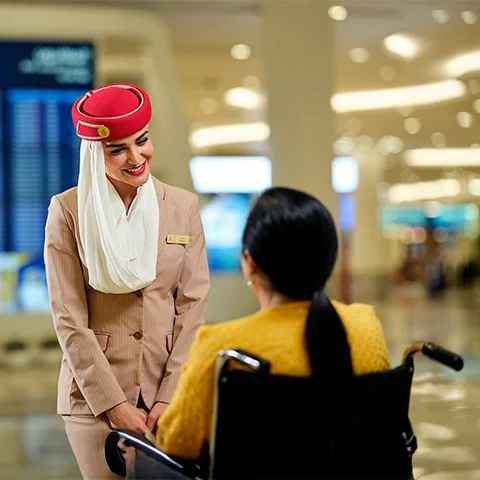
The role of technology: Turning complexity into clarity
Travel technology is now bridging one of the industry’s most persistent gaps: fragmented accessibility information. Solutions like Smartvel’s TravelAble are helping shift accessibility from static policy pages into dynamic, personalised digital experiences.
Instead of generic guidance, travellers can now receive:
- Step-by-step support tailored to their journey
- Clear explanations of complex airline processes, including IATA SSR codes
- Consistent information aligned with airport and airline operations
Integrated directly into websites, apps, and booking environments, TravelAble enables travel brands to embed accessibility at the point where decisions are made. The impact goes beyond the traveller experience, it also means fewer last-minute issues related to equipment and compliance, reduced repetitive customer queries, and better alignment between passengers and ground teams.
“Accessibility in travel is still far too complex and fragmented. TravelAble is about turning that complexity into clarity, giving travellers confidence through personalised, reliable information, while helping airlines and airports deliver a more consistent and inclusive experience.” – Iñigo Valenzuela, CEO of Smartvel.
Travellers with positive accessible travel experiences are also more likely to feel comfortable returning, and recommend to others in the wider People of Determination community.
In a region that is setting the pace for global travel innovation, accessibility is becoming a defining factor in delivering truly seamless journeys. For the Middle East, the opportunity is clear, and it’s to combine world-class infrastructure with intelligent, personalised digital guidance.
Because the future of travel isn’t just connected, it’s accessible, transparent, and built around every traveller.
Read more: The future of travel is accessible and why travel agents should be on board