

The Middle East has never struggled to build luxury. It has defined it. From skyline landmarks in Dubai to culturally ambitious developments in Riyadh and Doha, the region has built a hospitality ecosystem where scale, architecture and service standards are globally benchmarked.
However, as the market becomes saturated, and luxury resorts become the norm, brand affiliation for independent hotels is creating an opportunity for experiences not to be missed. It’s no longer about distribution and representation, it’s about storytelling. During our interview with The Set Collection’s CEO, Robin Stangroom he shared some interesting insights into independent hotel brand affiliations and the impact on the luxury market.
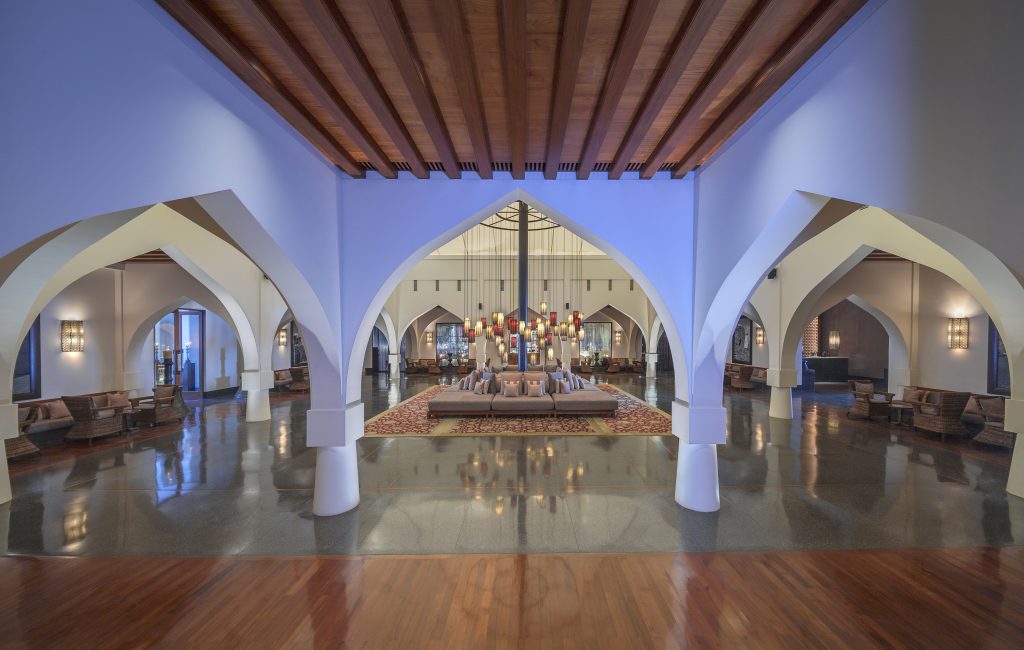
What are luxury travellers looking for?
Luxury travellers, particularly high-net-worth individuals from the GCC, Europe, Asia and North America, are increasingly motivated by narrative. They are not just booking rooms, they are buying into a story. From the heritage behind a restored palace in Jeddah, and the architectural philosophy of a design-led property in Dubai, to the cultural revival embodied in a boutique hotel in Diriyah, and the personal vision of an owner deeply rooted in their community.
Independent brands are uniquely positioned to tell these stories authentically. They are not bound by global brand playbooks or standardised design templates. Their personality is shaped by place, by ownership and by creative ambition, and that individuality is precisely what the modern luxury consumer values.
The region is iconic but increasingly competitive
The region’s hospitality landscape is dense with global luxury brands. In cities like Dubai and Doha, multiple ultra-luxury hotels compete within the same micro-markets.
As the region continues its accelerated development, the competitive field will only expand. In this environment, independent hotels face two strategic risks:
- Being overshadowed by global chains with vast loyalty ecosystems.
- Becoming commoditised within large-scale affiliation collections where they are one of hundreds.
For iconic independent properties, particularly those near destination-defining landmarks, being “one of many” may dilute perceived exclusivity, particularly if competing hotels are on your doorstep. This is why more selective, non-competing affiliation models like The Set Collection are gaining relevance.
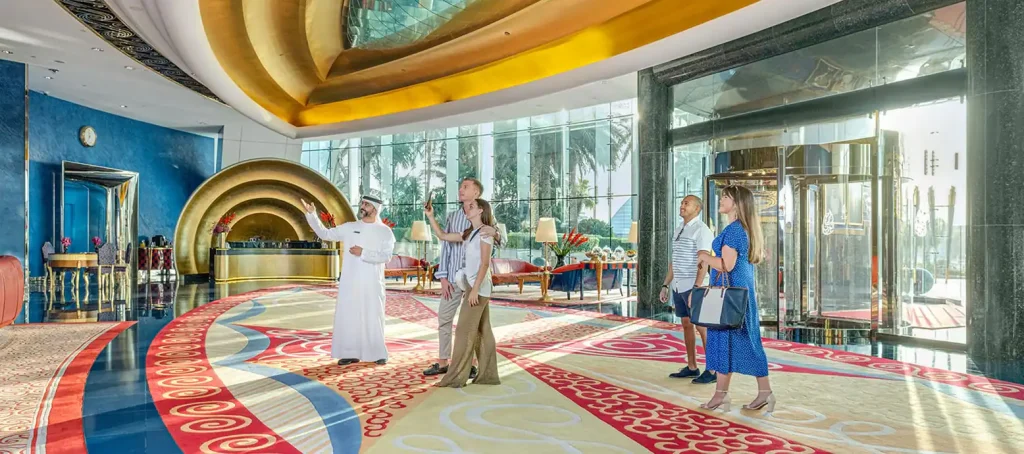
Exclusivity as a strategic asset
Affiliations that prioritise curation over scale, limiting representation within a city or segment, allow independent hotels to maintain positional clarity. Rather than competing internally with sister properties across the same destination, hotels can:
- Share high-value clientele across regions.
- Collaborate on curated experiences.
- Co-create narrative-driven partnerships.
- Preserve pricing power and brand distinction.
In a culture where prestige, sovereignty and legacy are highly valued, particularly among family offices and sovereign-backed ownership groups, this approach resonates strongly. It aligns commercial advantage with brand integrity.
“We currently have 17 member hotels across the UK, Europe, Asia, the Middle East and the Caribbean and for us, it’s about careful, measured selective growth, not just growing for growth’s sake. We spend a lot of time really getting to know the hotel and the people running them, so we know whether the owners share the same collaborative mindset. ” – Robin Stangroom, The Set Collection
Storytelling as luxury currency
Luxury today is emotional before it is operational. Flawless service and global distribution matter, but increasingly, the differentiator lies in meaning. Independent hotels in the Middle East are uniquely equipped to leverage storytelling across several dimensions we identified in the broader interview:
- Cultural authenticity: Properties rooted in local art, design, cuisine and heritage can deliver experiences that feel anchored rather than imported.
- Visionary ownership: Many regional hotels are driven by passionate owners with long-term visions. Their personal stories, and commitment to the destination, become part of the guest experience.
- Architectural boldness: The Middle East is known for ambitious design. Independent brands can lean into daring concepts without conforming to global brand templates.
- Community connection: Luxury travellers increasingly seek purposeful travel. Independent hotels can spotlight local artisans, sustainability initiatives and cultural programming in ways that feel organic rather than corporate.
Brand affiliation, when structured correctly, amplifies these stories rather than diluting them.
“Luxury has gone a bit safe. It’s gone a bit beige, and actually the consumer is looking for fun, creative boundary pushing options out there.” – Robin Stangroom, The Set Collection

Scale without standardisation
One of the most important shifts in ultra-luxury hospitality is the move from system-driven experiences to people-driven ones. Global chains deliver consistency, but independent luxury thrives on personality. General managers empowered to curate experiences, concierge teams who build relationships beyond transactional stays, and creative programming that feels spontaneous rather than centrally mandated.
For the Middle East’s next generation of luxury hotels, this people-first approach will be critical in differentiating from established global players. Affiliation models like with The Set collective, that respect independence while offering commercial muscle provide a compelling hybrid, scale without standardisation.
“Building a non-competing, portfolio of hotels is very important to us. Our hotels are always very independently spirited and they’re really authentic to their destination. They’re run by people, not systems, which leans very nicely to what the luxury traveller is looking for today.” Robin Stangroom, The Set Collection
A region ready for a more nuanced model
The Middle East hospitality market is no longer defined purely by spectacle. It is entering a phase of refinement. Luxury guests are more discerning, owners are more brand-literate, and investors are more strategic. Within this context, brand affiliation for independent hotels must evolve from a support mechanism into a strategic positioning tool that allows these hotels to:
- Retain creative control.
- Protect geographic exclusivity.
- Elevate storytelling.
- Access global high-net-worth networks.
- Compete without conforming.
The future of luxury in the Middle East will not belong solely to the biggest flags, it will belong to the most compelling stories. For independent hotels that understand the value of narrative, and align with affiliations that protect rather than dilute their identity, the opportunity is not just to compete globally, but to redefine what regional luxury means in the first place.