The escalating conflict involving Iran has delivered a sudden shock to travel across the Middle East, disrupting flights, weakening traveller confidence and threatening billions in tourism revenue. Yet while the immediate impact is significant, industry leaders say the region’s tourism sector has historically shown remarkable resilience, and could recover faster than many expect.
According to analysis from Oxford Economics, inbound arrivals to the Middle East could fall between 11% and 27% YoY in 2026, depending on how long the conflict lasts. In practical terms, this means the region could lose between 23 million and 38 million international visitors compared with earlier forecasts. In financial terms, that translates to an estimated $34 billion to $56 billion decline in visitor spending across the region this year.
Immediate shock to aviation and travel
The tourism slowdown began almost immediately after the conflict escalated. Within the first two days alone, more than 5,000 flights were cancelled as several countries closed their airspace.
Iran, Israel, Iraq, Qatar, Bahrain, Kuwait and Syria suspended civilian air traffic entirely, while the United Arab Emirates and Saudi Arabia imposed partial restrictions. Thousands of passengers were stranded across airports in the region and around the world as airlines scrambled to reroute aircraft and crews.
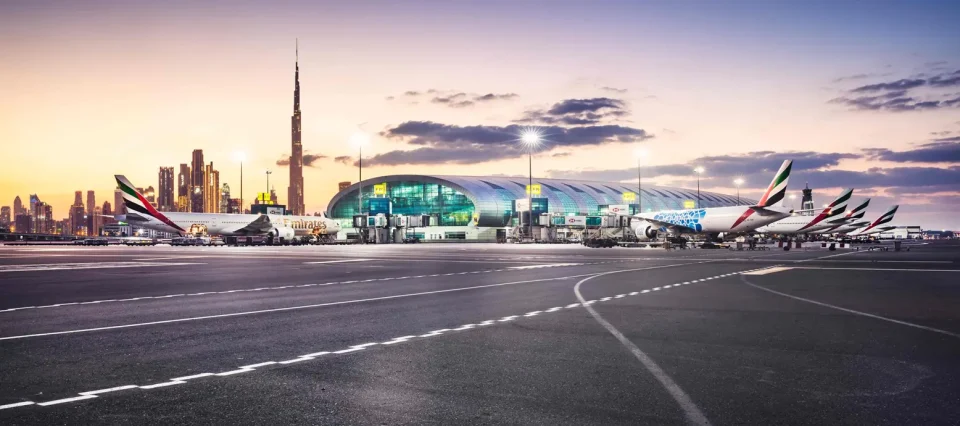
The disruption is particularly significant because the Middle East plays a central role in global aviation. Airports across the region account for around 14% of international transit passengers worldwide, linking Europe, Asia, Africa and Oceania through hubs such as Dubai, Doha and Abu Dhabi. With flights rerouted to avoid restricted airspace, airlines are facing longer travel times and higher operational costs, pressures that are already rippling through global aviation networks.
Tourism demand takes a hit
Beyond operational disruptions, traveller confidence has also been affected.
The World Travel & Tourism Council (WTTC) estimates the conflict is costing the region’s tourism sector around $600 million per day in lost visitor spending, driven by flight cancellations, safety concerns and travel advisories issued by governments.
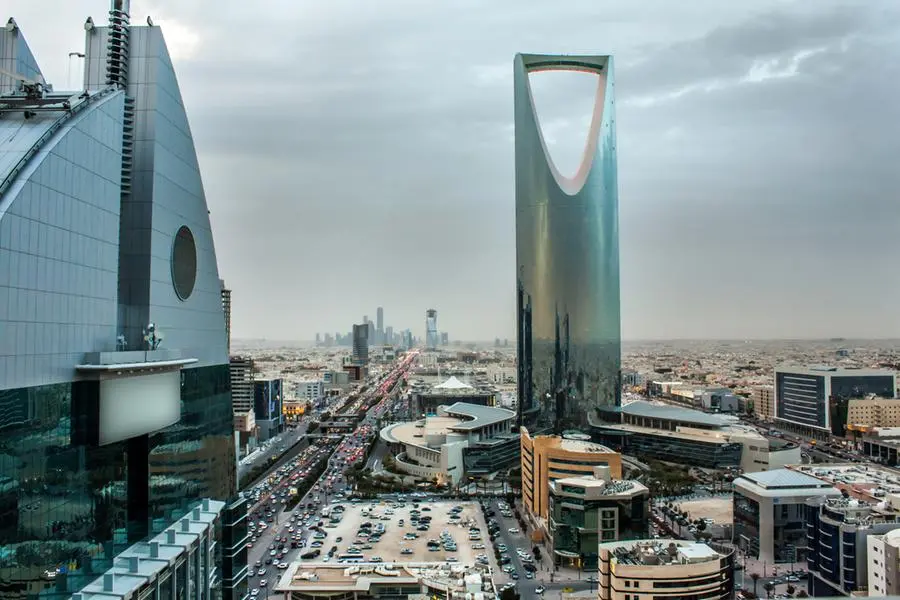
Countries within the GCC including the UAE and Saudi Arabia are expected to experience some of the largest absolute declines in visitor numbers, largely because their tourism industries depend heavily on international air connectivity.
Meanwhile, countries directly involved in the conflict are expected to experience the sharpest proportional declines. Inbound tourism to Israel could fall by around 57%, while Iran may see visitor numbers decline by approximately 49% compared with previous forecasts. These projections mark a dramatic reversal from earlier expectations. Prior to the escalation, the Middle East had been forecast to see around 13% growth in international arrivals in 2026.
A resilient industry with a history of recovery
Despite the scale of the disruption, industry experts remain optimistic about the sector’s ability to rebound once stability returns.
The WTTC has shared that tourism often recovers quickly from security-related disruptions. “History shows that the sector can recover quickly,” said WTTC President and CEO Gloria Guevara, noting that tourism demand has in some cases rebounded within as little as two months when governments and industry work together to restore traveller confidence.
The region’s strong aviation connectivity could also accelerate recovery. Gulf carriers such as Emirates, Qatar Airways and Etihad Airways remain among the world’s most important long-haul airlines, linking major global markets through highly efficient hub networks.
Once flights resume and travel confidence returns, these networks could quickly bring travellers back. For now, the conflict serves as a reminder of how closely global tourism is tied to geopolitical stability. But if history is any guide, the Middle East’s travel sector may prove once again that it is capable of bouncing back, and doing so faster than expected.