
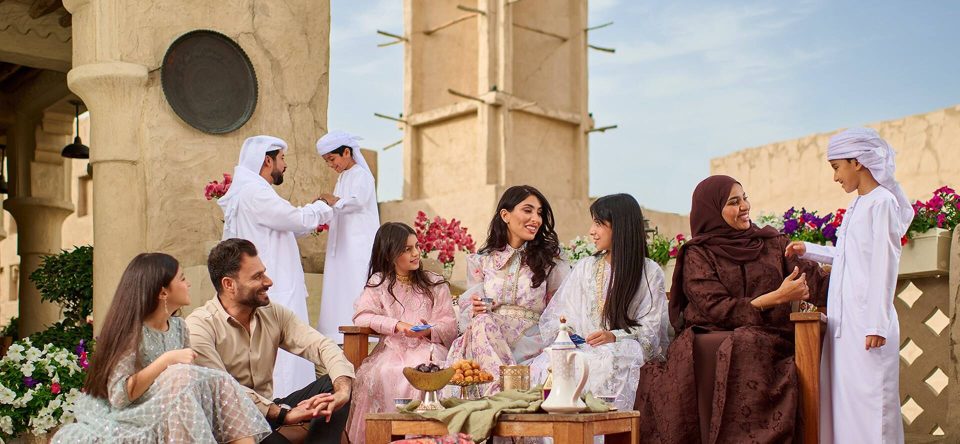
As Eid al-Fitr approaches this weekend (20-21 March, subject to moon sighting), the Middle East’s travel and hospitality sector is undergoing a more nuanced and regionally significant shift. Ongoing airspace disruptions, fluctuating flight schedules, and softer inbound tourism flows have created a challenging backdrop, particularly for traditionally international-facing hubs such as the UAE and Qatar.
In response, tourism boards, hotel groups, attractions, and retailers across the Gulf are actively pivoting toward a “residents-first” strategy. The result is a highly localised Eid travel landscape, defined by competitive staycation pricing, community-focused incentives, and a strong push to keep leisure spending within domestic markets.
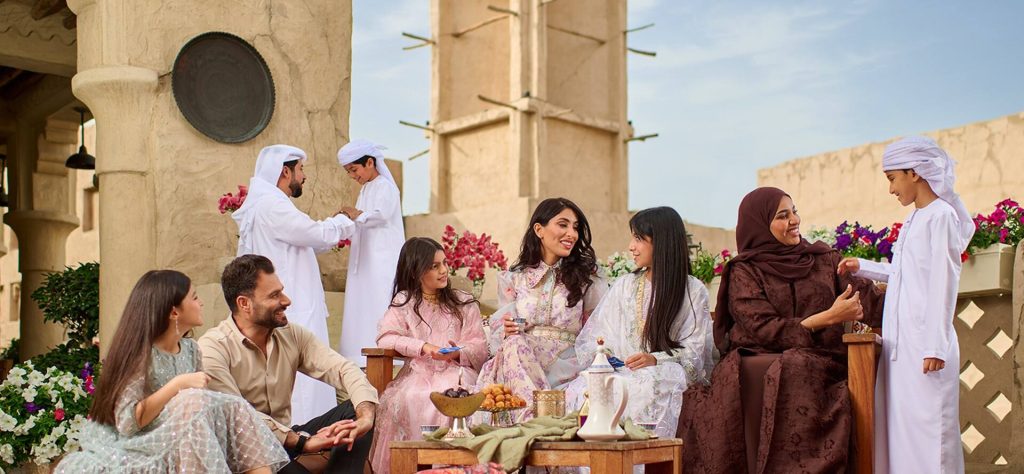
A region still open, but operating differently
Across key markets including the UAE, Saudi Arabia, and Qatar, the tourism ecosystem remains largely operational, but with important caveats.
Major urban centres such as Dubai, Abu Dhabi, Riyadh, and Doha continue to see strong activity across hotels, malls, and dining venues. However, the operating environment is more fluid than usual. Select attractions have paused operations or scaled back programming, reflecting both safety considerations and shifting visitor dynamics.
Dubai’s Global Village, for example, remains closed until further notice, with its Eid fireworks programme cancelled. This shows that while the region is open, experiences may be more localised, shorter, and subject to last-minute adjustments. For travellers and agents, real-time verification has become essential.
UAE leads with staycation strategy
The UAE, particularly Dubai and Abu Dhabi, is at the forefront of this domestic tourism push, leveraging its mature hospitality sector to capture resident demand. Hotels across the country are offering discounts of up to 70%, a level of price reduction rarely seen during a peak holiday period like Eid. This reflects both increased competition and the need to offset reduced international arrivals.
Luxury properties typically reliant on global travellers are now heavily targeting residents with up to 30% discounts and added value incentives including spa credits, dining vouchers, and room upgrades. These include brands such as:
- Jumeirah Beach Hotel
- Burj Al Arab
- Address Beach Resort
- Shangri-La Abu Dhabi
- Kempinski Mall of the Emirates
At the same time, midscale and family-focused brands are doubling down on volume with incentives like:
- Rove Hotels are offering free breakfast during Eid.
- JA Resorts and beachfront properties are emphasising “kids under 12 stay and dine free” messaging.
- Westin & Le Méridien Mina Seyahi are bundling all-inclusive packages with waterpark and kids’ club access.
In Abu Dhabi, properties such as Khalidiya Palace Rayhaan by Rotana are positioning themselves as affordable luxury options, with beachfront Eid packages starting from AED 499 for families.
Across the board, the structure of these offers is consistent and highly targeted:
- Family-centric benefits (free stays/meals for children)
- Extended check-out times to maximise short breaks
- Bundled experiences to reduce additional spend
This reflects a clear understanding of regional travel behaviour, where Eid is primarily a family-driven holiday.
Attractions shift to community-first engagement
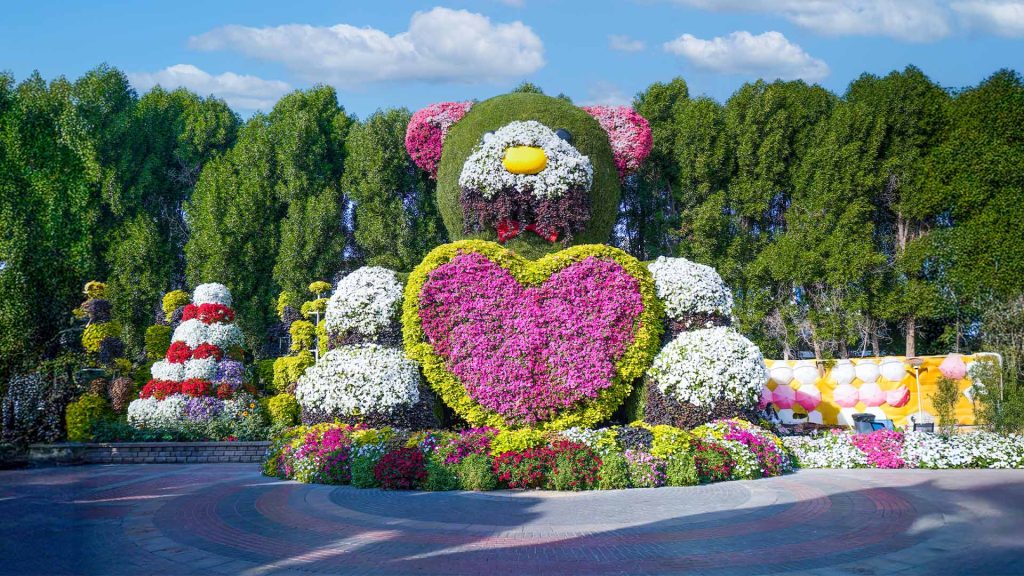
Beyond hotels, attractions are actively repositioning themselves to appeal to residents and repeat visitors. Dubai Miracle Garden’s decision to offer free entry to UAE residents from 15-31 March is a strong example of “community-first” tourism, prioritising accessibility and goodwill over short-term revenue.
Similarly, Wild Wadi Waterpark’s reopening with resident-exclusive pricing highlights a broader strategy of re-engaging local audiences with value-driven, family-friendly experiences.
Across Dubai, Emirates ID discounts continue to play a central role in this ecosystem. These offers, often up to 20% off dining, leisure, and attractions, are not new, but their prominence has increased significantly in recent weeks as operators look to stimulate domestic spending.
Saudi Arabia & Qatar: Local demand driving momentum
While the UAE is leading in terms of visibility and volume of offers, similar patterns are emerging in Saudi Arabia and Qatar. In Riyadh, the focus is less on deep discounting and more on experience-led consumption. Dining, retail, and entertainment venues are leveraging Ramadan-to-Eid momentum, with curated events, late-night activations, and group dining offers driving footfall.
Qatar, meanwhile, is seeing a steady push across malls and hospitality venues, with Eid promotions centred around family experiences and retail engagement rather than large-scale tourism inflows.
Across both markets, social platforms such as Lovin Riyadh, Time Out Riyadh, Lovin Doha, and Time Out Doha indicate a steady pipeline of new offers, suggesting that promotions are being released to adapt in response to demand patterns.
Retail & dining: A critical pillar of Eid activity
Retail remains one of the strongest-performing sectors in the lead-up to Eid, supported by deep discounting and cultural shopping traditions.
Dubai Festival City Mall’s Ramadan/Eid sale, offering up to 90% discounts, has already attracted significant footfall, reflecting strong consumer appetite despite broader travel disruptions.
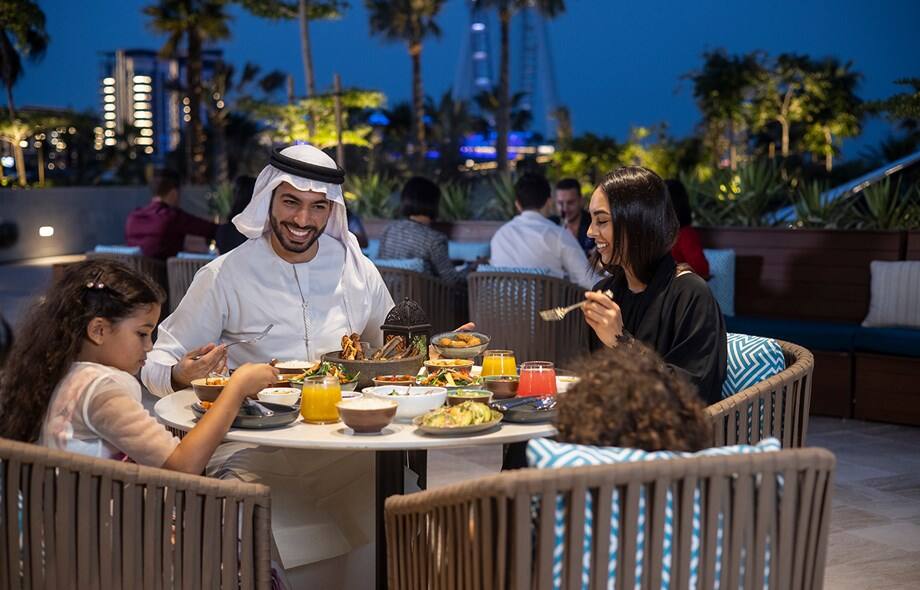
Across the region, F&B operators are also capitalising on the transition from Ramadan to Eid with:
- Group dining offers and set menus
- Extended opening hours
- Family-oriented promotions
This reinforces the idea that while travel patterns may have shifted, overall consumer spending during Eid remains resilient, just more locally concentrated.
What this means for travel agents and consumers
- A highly localised travel landscape: The region is active and accessible, but travel is increasingly centred around domestic and short-haul movement.
- Exceptional value, even at the luxury end: Discounts of up to 70%, combined with added-value inclusions, are creating one of the most competitive Eid markets in recent years.
- Flexibility Is key: With some closures and schedule changes in place, travellers should prioritise flexible bookings and check updates regularly.
- Staycations are the dominant trend: Eid travel in 2026 is defined by proximity. Families are choosing convenience, value, and familiarity over long-haul trips.
A structural shift, not just a seasonal trend
What sets this Eid apart is not just the scale of promotions, but the structural shift underpinning them. The Middle East’s travel sector, particularly in the Gulf, is demonstrating its ability to rapidly recalibrate toward domestic demand during the disruption. By aligning pricing, packaging, and messaging with resident needs, the industry is preserving occupancy, sustaining retail activity, and maintaining overall momentum.
For travellers, this translates into a rare opportunity: a high-value, experience-rich Eid holiday that stays close to home, but still delivers the sense of occasion the season is known for.