Turkiye is emerging as a go-to destination for wellness tourism, attracting over 2 million international health tourists in 2024 generating $10 billion in wellness-related revenue.
While yoga retreats by the beach are popular worldwide, Turkiye offers much more than sun salutations. Across its diverse regions, age-old traditions and unique therapies invite visitors to relax, heal, and connect with local heritage. Here’s the best ones you need to try.
Turkish hammam: The ancient ritual of rejuvenation
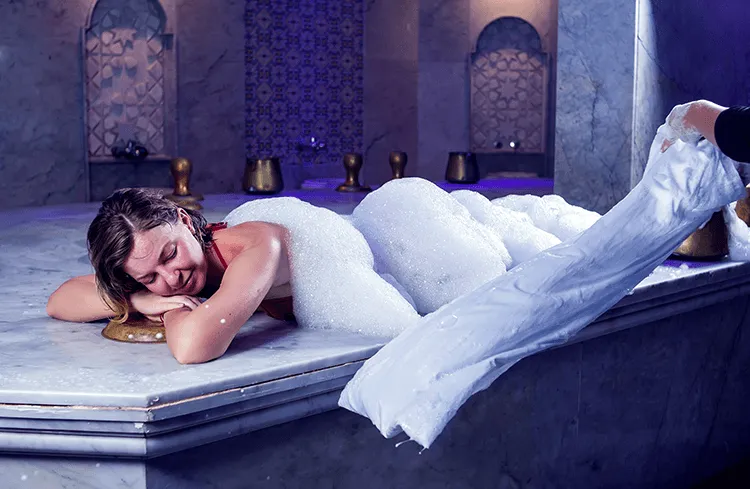
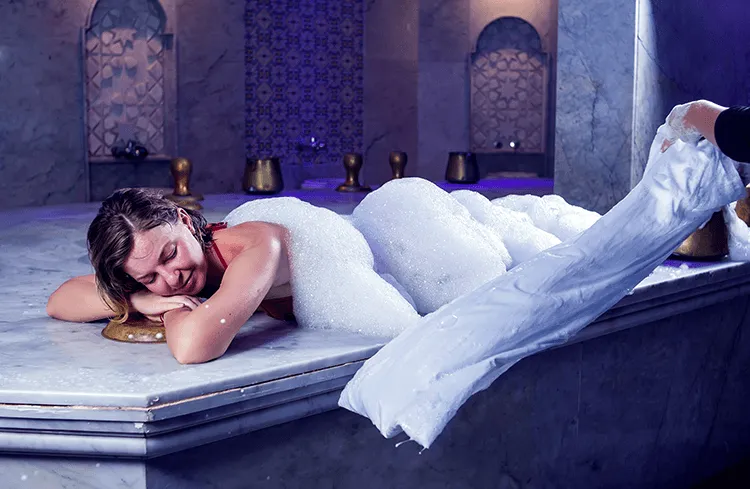
No wellness trip to Turkiye is complete without indulging in a traditional Turkish hammam (bath). This centuries-old cleansing ritual is far more than a soapy scrub, it’s a social and cultural experience that leaves you glowing inside and out.
Visitors don a pestemal (thin cotton wrap) and relax in a marble steam chamber as warm water and steam open the pores. An attendant then exfoliates your skin with a coarse mitt, washes you in frothy suds, and often gives a brief massage.
Historic hammams in Istanbul like the 16th-century Hurrem Sultan Hamam or in Anatolian towns allow you to soak up Ottoman-era architecture while you soak away stress. In the glow of domed ceilings and marble basins, you’ll appreciate why Turkish baths have been a cornerstone of wellness here for generations.
Healing waters: Thermal springs and mud baths
Blessed with abundant geothermal activity, Turkiye ranks in the top 7 among the world’s top destinations for thermal springs, boasting around 1,300 to 1,500 hot springs across Anatolia. These mineral-rich waters, often high in calcium, iron, and sulfur, are believed to help with ailments from arthritis to skin conditions. It’s no wonder hundreds of thousands of visitors flock to Turkish thermal spas almost year-round.
Must-experience thermal wellness spots
Pamukkale (Denizli)
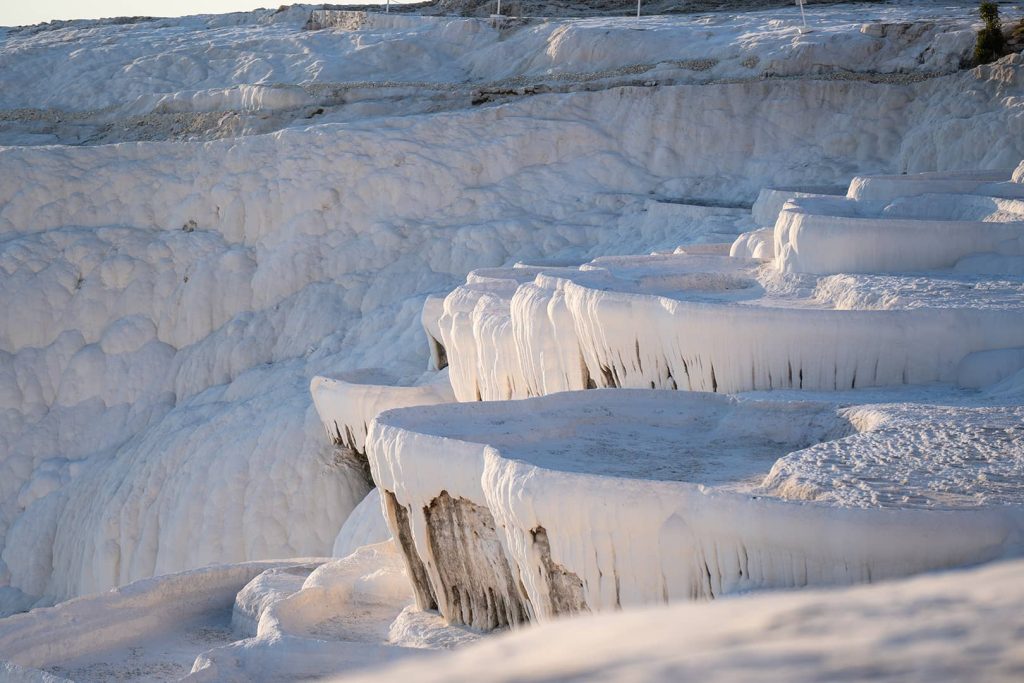
Perhaps the most breathtaking, Pamukkale is a UNESCO-listed natural spa famous for its snow-white travertine terraces filled with warm, aquamarine pools. Here you can soak in the Antique ‘Cleopatra’ Pool, swimming among half-submerged marble columns in 36 degree waters, legend says Cleopatra herself bathed here. Every year, people from around the world flock to Pamukkale’s enchanting terraces seeking relaxation and rejuvenation.
Afyonkarahisar
Nicknamed the ‘thermal capital’ of Turkiye, this Aegean region offers multiple spa hotels and springs rich in minerals like sodium bicarbonate and bromide. Modern resorts in Afyon provide medical thermal treatments alongside Turkish hospitality.
Yalova and Bursa
Close to Istanbul, these areas have been renowned for hot springs since Ottoman times. Bursa, a former Ottoman capital, features historic thermal baths and hammams (like the 16th-century Eski Kaplica) and modern spa hotels tapping into 88 degree mineral waters that help heal skin and ease rheumatic pain. In Yalova’s lush forests, you can soak in outdoor hot pools surrounded by nature, a perfect city escape.
Sufi whirling: Mindful movement and spiritual bliss
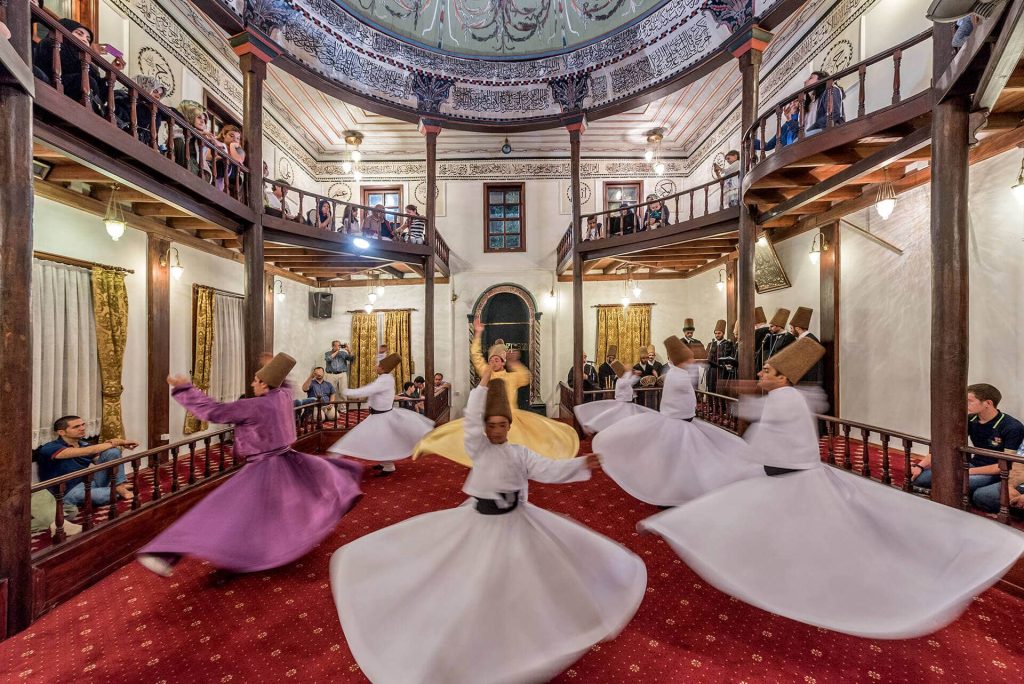
Wellness isn’t only about the body, Turkiye also offers experiences that nourish the soul. Perhaps the most captivating is witnessing (or even joining) a Sufi whirling dervish ceremony. In this ancient ritual, members of the Mevlevi Sufi order perform a practice called Sema: a form of active meditation where they spin repetitively to enchanting music and chants. Donned in white robes and tall sufi hats, the dervishes whirl with arms extended, one palm up and one down, in a graceful dance symbolising spiritual ascent.
More than a show, it’s a deeply spiritual experience. The rhythmic spinning, or zikr, is essentially a moving meditation that brings peace and introspection to participants and observers alike.
For an authentic encounter, visit Konya, the heart of Sufi culture and home to the mausoleum of the great poet Rumi, who inspired these ceremonies. Konya hosts annual festivals and weekly gatherings where dervishes whirl in devotion.
Breathing easy in salt caves
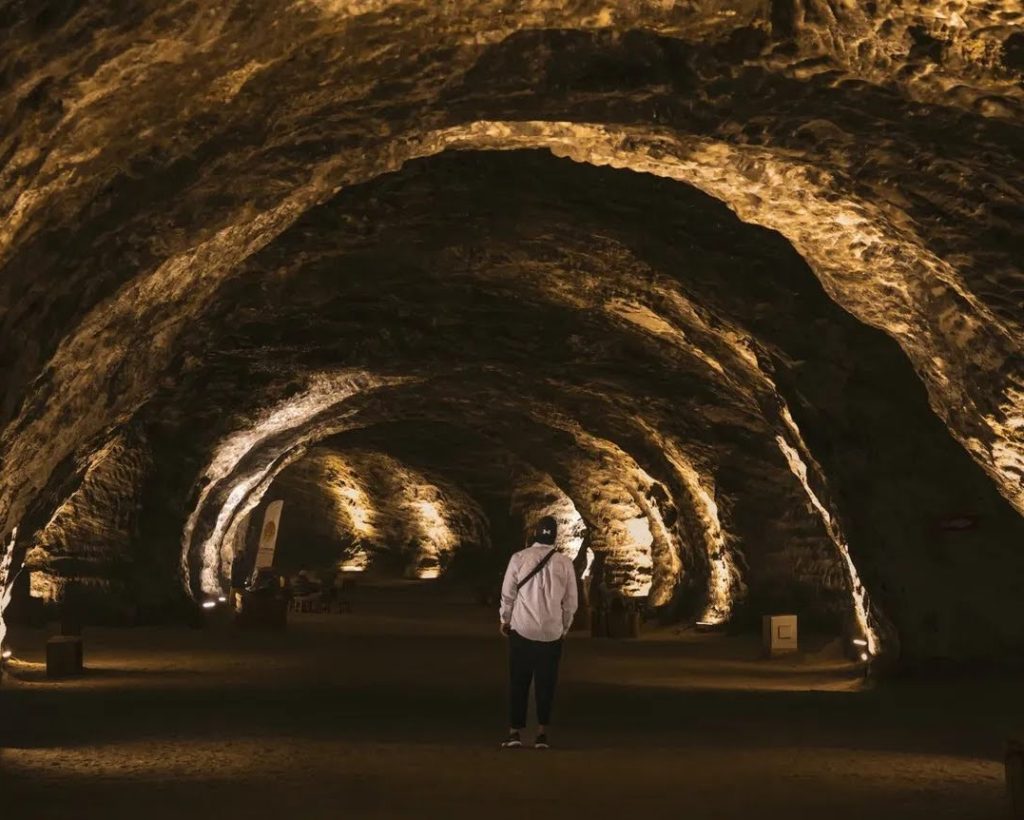
Another of Turkiye’s wellness secrets lies underground in its sprawling salt caves. The most famous is Cankiri Salt Cave, about 2 hours north of Ankara. This enormous cave (once a salt mine dating back to Hittite times) now doubles as a tourist attraction and a natural healing center.
Halotherapy, breathing in salt-infused air, is thought to benefit respiratory conditions, and Cankiri’s cave has become a health tourism hub for asthma and bronchitis sufferers. Visitors praise the unique microclimate; the air inside is cool, dry, and saturated with minerals, which may help clear the sinuses and lungs.
Walking through the dimly lit tunnels, you’ll see sparkling salt stalactites, sculptures carved from salt rock, even old preserved animal fossils, including a 200-year-old donkey that fell into a salt pit and mummified.
Many people simply sit and relax on benches in the cave’s “salt therapy” sections, inhaling the ionized air. Whether or not you have a respiratory ailment, it’s a soothing, one-of-a-kind spa for the lungs. And above ground, you can buy mineral-rich Cankiri rock salt to take home for cooking or salt lamps.
Doctor fish: Nature’s pedicure and skin therapy
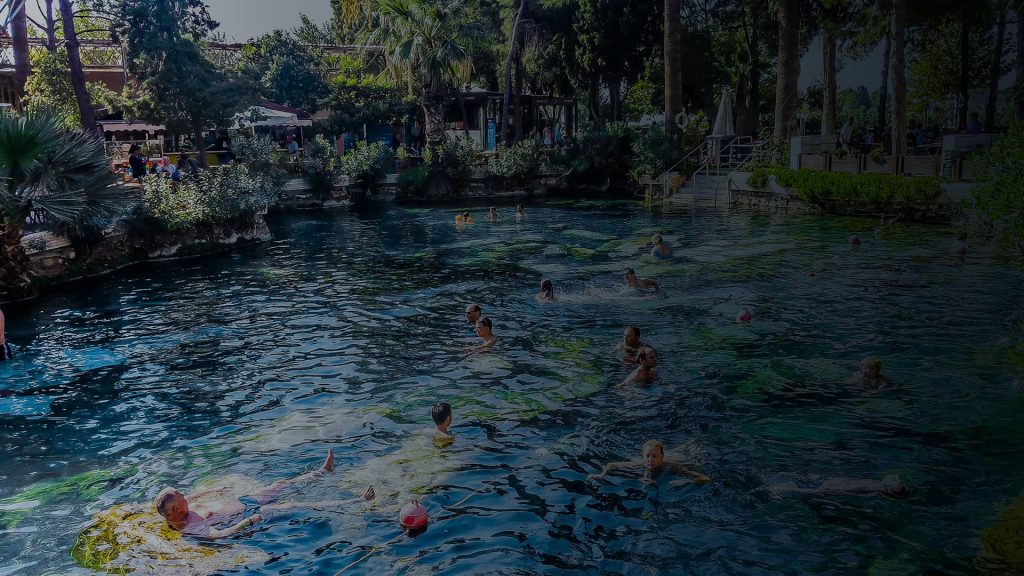
In Turkiye’s Sivas province, the Kangal Fish Springs offer an unusual wellness experience. Here, in thermal pools live schools of Garra rufa fish (nicknamed ‘doctor fish’) swim with you and gently nibble away dead skin.
This ticklish natural “exfoliation” has been used in Turkiye for decades to treat skin conditions like psoriasis. In fact, Kangal’s thermal spring spa is world-renowned for alleviating psoriasis symptoms and patients undergo weeks-long programs where they soak several hours a day as the little fish remove scaly skin, allowing healthy skin to regenerate. This practice has caught on in resorts globally, but Kangal is the original.
Embracing Turkiye’s wellness heritage
What makes Turkiye’s wellness offerings truly special is how deeply they are tied to the country’s culture and history. Whether you’re indulging in an oily massage at a thermal hammam that dates to the Silk Road era or learning about herbal remedies passed down through Anatolian villages, you’re experiencing living traditions. Many modern Turkish spas and retreats now blend ancient practices with modern techniques, from herbal treatments and mud therapies to high-tech massages, creating a holistic approach that treats body and soul together.
Crucially, this revival of traditional wellness not only benefits visitors but also helps preserve local knowledge and supports communities, meaning your wellness holiday also contributes to cultural sustainability.