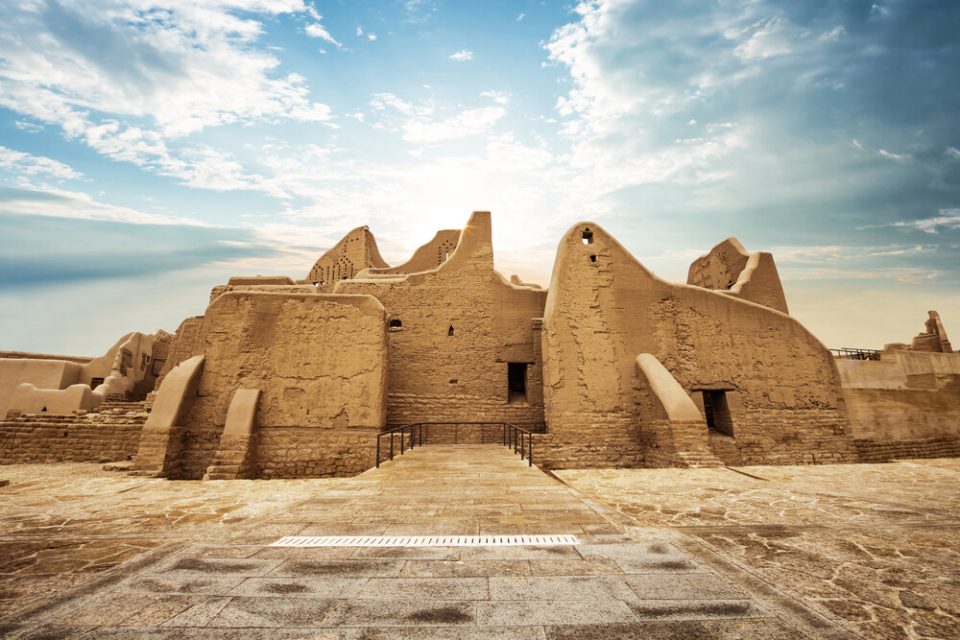
The fact is, Saudi Arabia has moved from “building tourism” to engineering an entire travel economy, complete with mega-destinations, sustainability credentials, global influence plays, and a sharper sense of what’s actually deliverable on timeline.
This is the real story behind the headlines, where the Kingdom has been shifting from ambition to execution, and the moves happening right now indicate what to sell, what to watch, and what’s quietly being rebalanced behind the scenes.
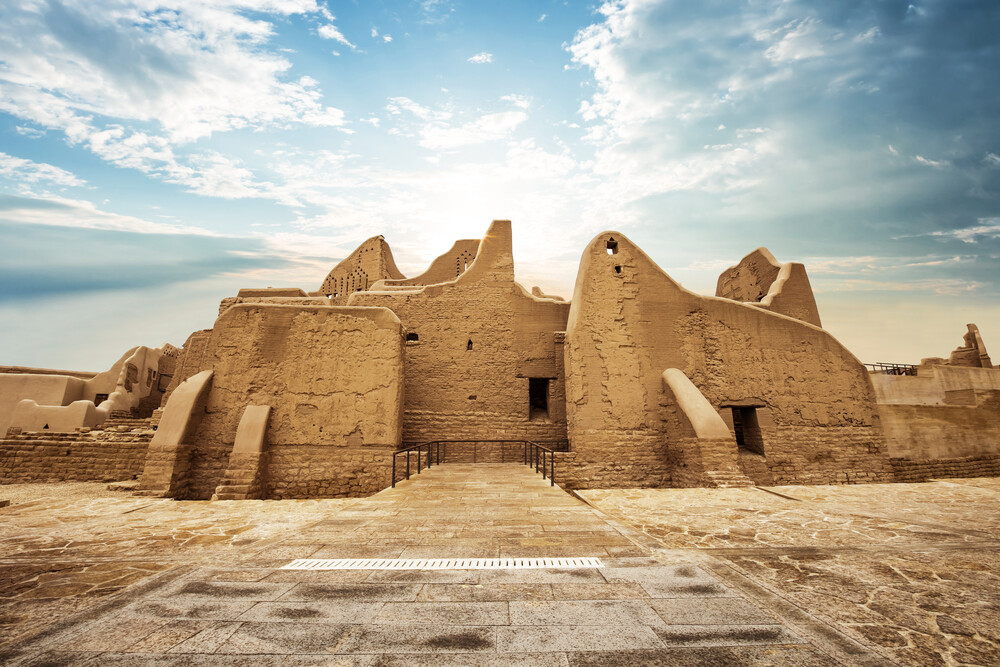
US $400bn later: Saudi is no longer competing, it’s redefining
Saudi’s Tourism Minister Ahmed Al-Khateeb has confirmed the Kingdom has already poured in more than US $400 billion into tourism development, and the figure is as much a message as it is a milestone.
This is a full-stack tourism strategy that includes destinations built from scratch; aviation and airport expansion; new hotel supply with global brands moving in and growing roots; and impressive giga-projects designed to create reasons to visit, not just places to stay.
In other words, Saudi is doing what mature tourism markets did over decades, but at compressed speed and scale. The goal here is to build enough demand drivers to make the Kingdom a default, top-of-mind long-haul and regional travel option, and not a curiosity or “add-on” to a wider regional itinerary.
And the subtext matters because Saudi is indicating to airlines, tour operators, OTAs, MICE planners and luxury travel sellers that the pipeline is no longer theoretical. It’s being funded, built and actively packaged.
Growth and credibility
Here’s where Saudi is playing a smarter, more global game than many other destinations. Arrivals aside, the Kingdom is trying to win trust from the get go.
That’s why the country’s recent push to position itself as a leader in coral reef protection matters for travel. Saud backing a new international drive to protect coral reefs is a move that reads like environmental diplomacy, and for tourism, it’s also about reputation management. The Red Sea is one of the country’s most powerful destination assets, and protecting it isn’t optional if Saudi wants to sell itself as a serious premium, nature-led destination long-term.
Essentially, while Saudi wants to be seen as the place building the next big thing, importantly, the Kingdom wants to be leading in building responsibly.
Red Sea Global’s LEED wins as sales tools
This is where it gets practical for travel providers and sellers.
Red Sea Global has secured a wave of LEED certifications, including standout sustainability achievements across key infrastructure. Positive PR aside this is ammunition for:
- Luxury agents selling “guilt-free” indulgence
- European markets where sustainability is a dealbreaker
- Corporates with stricter travel procurement rules
- Travellers who want nature and high design
No doubt these certifications make it easier to position Saudi’s newer destinations as premium, future-facing, and internationally benchmarked, rather than experimental. It’s also a clear indicator of where Saudi sees its strongest advantage, that is not competing on price, but competing on newness, scale, and controlled quality.
Then came the Trojena delay – a healthy signal!
The postponement of the 2029 Asian Winter Games, linked to delays around NEOM’s Trojena project, is the part of the story that turns Saudi’s tourism narrative from hype into something more realistic, and really, more investable.
Why? Because the truth is, mega-project tourism isn’t linear. It’s highly complex, expensive, and brutally exposed to timelines, logistics and global economic pressure.
The delay doesn’t kill the ambition, but crucially, it confirms something important, and that is Saudi is starting to make more strategic sequencing decisions, rather than forcing every headline project to happen on the original schedule no matter what.
For the industry, this is a useful recalibration to sell what’s open, tangible and scalable now; watch what’s being repositioned for later; and expect more phased rollouts, instead of instant “big bang” launches. This is what tourism maturity looks like in real time, because the Kingdom is learning where spectacle drives demand, and where delivery must come first.
So while Saudi is actively shaping regional travel flows, the winners will be those who build product early, understand the pacing, and package Saudi with clarity rather than clichés. Because Saudi’s new tourism era isn’t only about whether it can build big things. It’s about whether it can build a tourism model that’s sellable, sustainable, and scalable, and right now, it’s making moves that suggest it’s serious about all three.
Read more: A woman’s guide to Saudi Arabia