
The Dubai Airshow 2025 has wrapped up, leaving us with unforgettable memories and a mix of emotions. While the event delivered on its promise of spectacular drama and eye-watering dollars, it was also marred by a tragic accident that claimed the life of a pilot on the last day. Our thoughts are with the pilot’s family, friends, and loved ones.
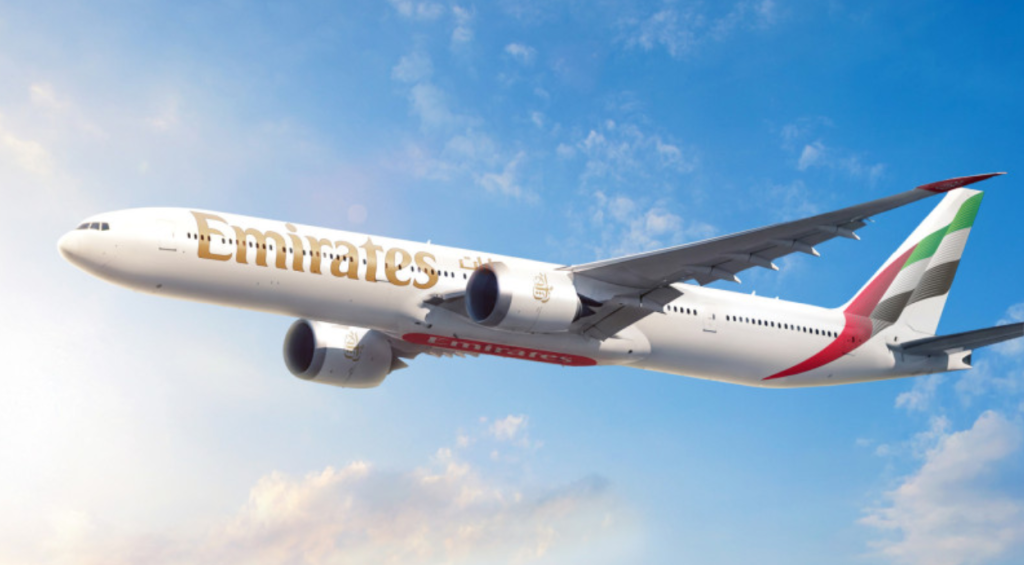
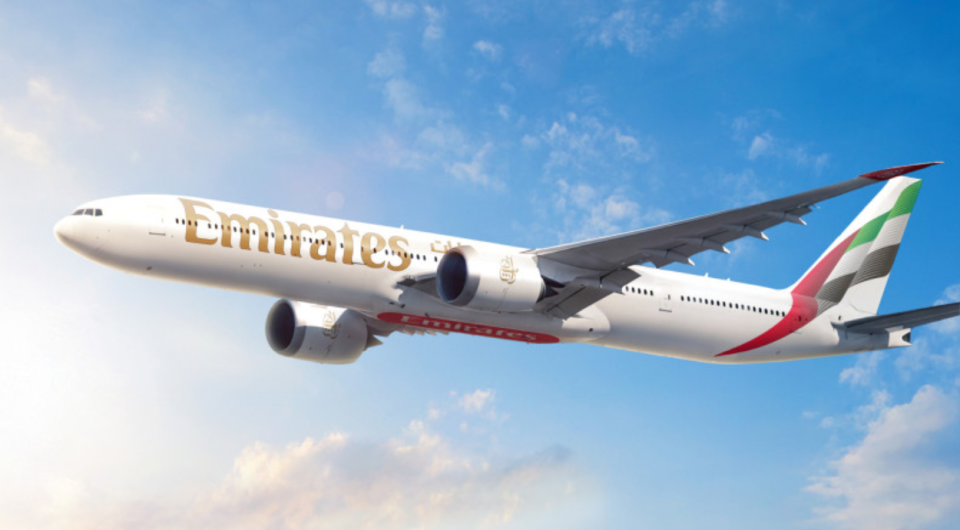
Emirates made headlines in classic style with its order for 65 additional Boeing 777-9s USD 38 billion, before adding another eight Airbus A350-900 worth USD3.4 billion, underlining the airline’s long-term commitment to long-haul aircraft and its role as a demand engine for Dubai’s hub strategy. Those orders alone reshape capacity planning at Dubai hub airports and gives tourism marketers a nice problem to have, and that is fill all those extra seats with high-value travellers and experiences.
But it wasn’t a Boeing-only party. No, no… flydubai made a major fleet pivot with a landmark agreement with Airbus for 150 A321neo single-aisle jets (with options) that will open new medium-haul route economics for the carrier. Interestingly, the airline also signed an MoU for 75 Boeing 737 MAX family jets. What does this say? Basically, flydubai wants flexibility and range as it grows. For travellers, this means Dubai’s aviation ecosystem now has more choices to stitch markets together across Europe, South Asia and Africa. For tourism stakeholders, that’s huge news as there are now even more seats, more frequencies, and more routes for markets planners to test, program and sell.
Connectivity got its moment in the sun… and the clouds. Emirates announced a plan to roll out Starlink ultra-fast Wi-Fi across its in-service fleet (first 777s immediately, full rollout by mid-2027), with flydubai signing Starlink for parts of its fleet too. For experiential tourism and business travel, this is a game changer, as reliable, ground-grade connectivity in the air makes long-haul product bundles a lot easier to sell and measure (think live events, hybrid meetings, inflight retail, influencer content and richer in-flight entertainment).
Beyond airlines, the show reinforced infrastructure ambition. Reports emerging from the event flagged a multi-billion-dollar expansion plan for Al Maktoum International Airport, all part of Dubai’s runway/hub future, which dovetails with the Emirates/fleet story on new runways, new gates, and a five-runway target.
There were also the usual, but important tourism adjacencies in hospitality partnerships (Rove Hotels became the official hotel partner for the show), multifunctional event programming (evening runway networking, drone and night-time displays), and a bigger focus on sustainability and talent pipelines in conference tracks. The softer announcements are of course the bread and butter for B2B event planners, travel trade desks and local tourism bodies looking to convert business traffic into leisure yield during shoulder seasons.
Quick hit for the travel trade
- Capacity planning: more widebodies and single-aisles mean new non-stop and denser hub connections.
- Product & distribution: Starlink-enabled flights are a conversion lever for premium packages and hybrid business events.
- Partnerships: official hotel deals and hospitality activation at the show point to richer MICE product bundles.
The Dubai Airshow runs every two years, so the next edition is expected in autumn/November 2027 (exact dates to be announced). So anyone interested in attending should pencil in November 2027 for planning and begin stakeholder outreach now — hotels, inbound DMCs and ground-handlers will no doubt need early guarantees.
What can we expect for the 2027 show. We have a few predictions:
- A connectivity milestone: By then, Starlink and other LEO systems will likely be mainstream across fleets, enabling richer inflight commerce and analytics.
- Airport capacity: With Al Maktoum and DXB expansion projects underway, 2027 will be a critical year for aligning airport capacity with tourism product development
- Sustainability & AAM (Advanced Air Mobility): eVTOLs, hydrogen demos and sustainable aviation fuel (SAF) partnerships will no doubt get louder, giving rise to more opportunities for tourism providers and marketers to reframe responsible travel products.
- More mixed orders: More airlines will likely pursue flexible mixed-fleet strategies (a mix of widebody for long haul and efficient narrowbodies for regional markets) as the industry tries to meet and balance growing demands, delivery and certification timelines.
Indeed, there’s lots to look forward to and we can’t wait for the next installment already!