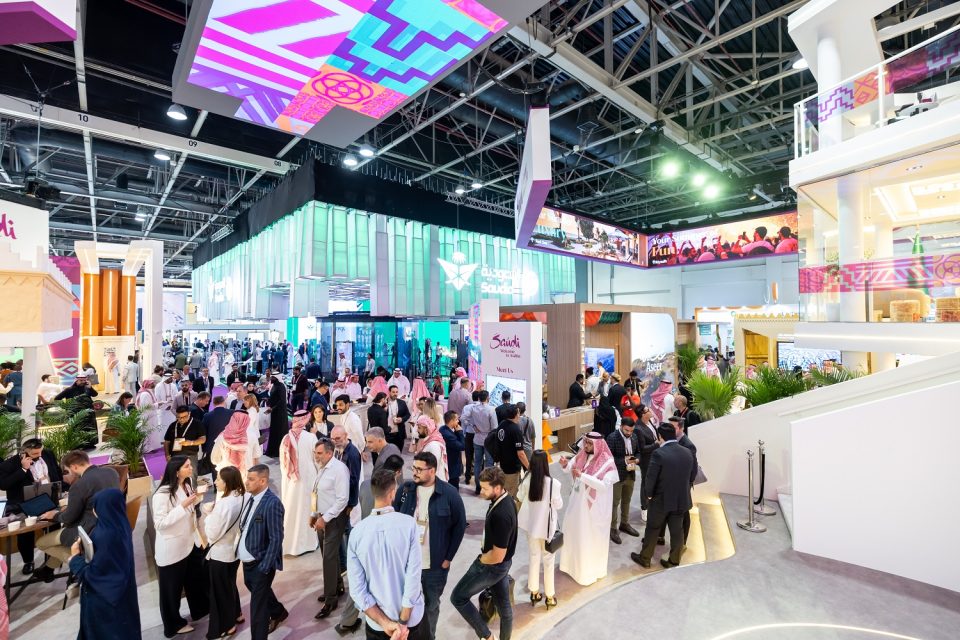
Shifting travel patterns, geopolitical tensions, and cautious sentiment are still prevalent in the Middle East travel industry, but the Arabian Travel Market (ATM) 2026 has emerged as a clear example of how major industry events are adapting in real time.
The decision to reschedule the event to September was not simply a logistical adjustment, it shows how to be flexible to navigate uncertainty, and balance caution with the need to maintain momentum.
A calendar shift with a purpose
The move from May to 14-17 September was driven primarily by safety, but it also highlights a more strategic approach to market timing. ATM connects one of the world’s fastest growing tourism regions with the global travel industry, and organisers have been clear that the goal is to preserve the event’s long-term value while adapting to changing conditions.
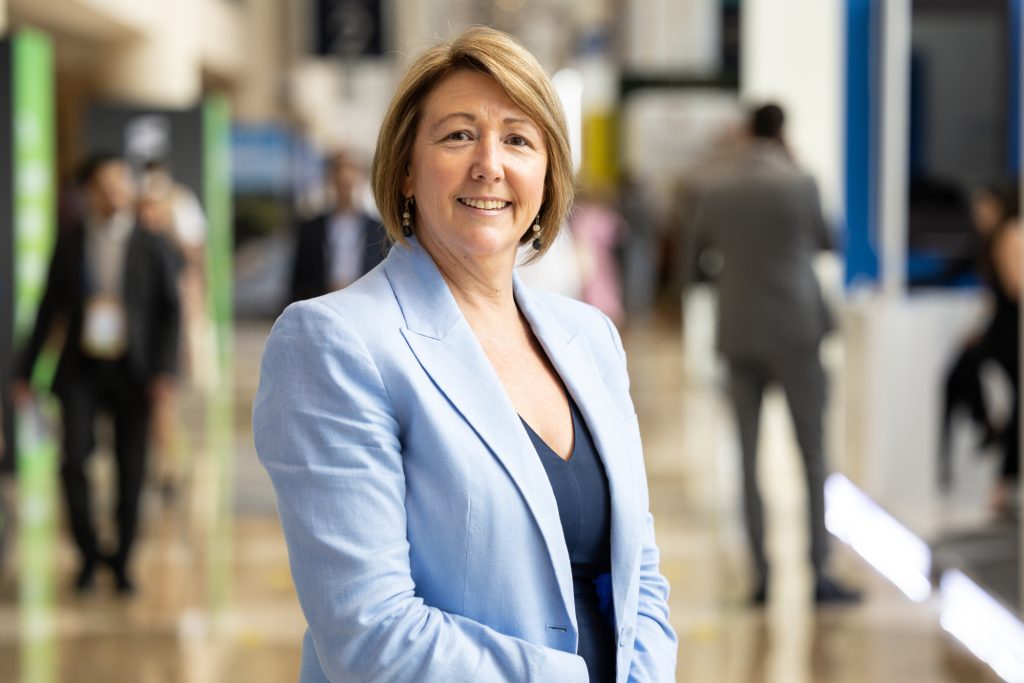
Rather than pushing ahead amid heightened uncertainty, organisers chose to create space for markets to stabilise, for travel sentiment to recover, and for international participants to plan with greater confidence. The move shows a growing industry reality that timing is now a strategic lever, not a fixed variable. Speaking to RTN, Danielle Curtis, Exhibition Director ME for ATM explained:
“The decision to move the event reflects a considered and precautionary approach to timing, rather than a fundamental shift in how the event is planned or delivered.
Flexibility is always an important part of organising an international event of this scale, and while adapting the schedule does require adjustments, the focus has been on ensuring the best possible outcome for our exhibitors, partners and visitors.” – Danielle Curtis, Exhibition Director ME, ATM
The repositioning reinforces ATM’s positioning as a “vital global platform for connection, resilience, and business opportunity” which becomes more important, not less, during periods of instability.
Exhibitors on the front line of disruption
While the headline change is the new event date, the real impact is being felt at exhibitor level.
Travel businesses who are already navigating changes in demand, rising operational costs, and regional uncertainty, are now adjusting to:
- International travel logistics
- Budget allocations and marketing timelines
- Staffing and on-the-ground execution
Organisers have acknowledged this pressure directly, noting that the shift “necessitates careful adjustments to existing plans.” In response, the support model has evolved into something more hands-on and continuous. Curtis goes on to explain:
“By moving the event, we are ensuring that all participants have the flexibility and confidence to attend, while protecting the value and return they expect from ATM. We remain in close contact with exhibitors, partners and suppliers to support a smooth transition to the revised schedule.” – Danielle Curtis, Exhibition Director ME, ATM
Through active communication and tailored engagement, the focus is on ensuring exhibitors remain “supported, informed, and confident about the steps ahead.”
This reflects a deeper industry shift in 2026, that events are no longer just platforms, they are partners in managing disruption.
Confidence, not just commerce
In a more stable year, ATM’s main function would be to generate deals and visibility. But in 2026, it is more fundamentally about rebuilding confidence.
The Middle East’s tourism sector still benefits from strong long-term fundamentals with investment in infrastructure, aviation growth, and ambitious destination strategies. But short-term sentiment is more cautious lately.
ATM is positioned to bridge that gap by:
- Reconnecting global stakeholders at a critical moment
- Facilitating dialogue that addresses uncertainty head-on
- Enabling partnerships that translate into real economic activity
Organisers emphasise that the event plays a “crucial role” in reinforcing trust and supporting recovery helping the industry convert underlying strength into measurable outcomes.
Regional and local resilience
The geopolitical climate has inevitably raised concerns about travel flows and business continuity. Yet, within this context, Dubai and the wider United Arab Emirates continue to act as stabilising forces.
Their resilience is not a coincidence, it’s built on world-class infrastructure, strong regulatory frameworks, and consistent investment in tourism and events. Curtis shared what this looks like for the sector, explaining:
“The fundamentals of the regional tourism market remain extremely strong, supported by continued investment across aviation, hospitality and major events, which is sustaining growth across the Middle East. The response from partners and exhibitors has also been very supportive following close consultation with our key stakeholders.” – Danielle Curtis, Exhibition Director ME, ATM
Organisers remain in close coordination with key stakeholders, including the Dubai World Trade Centre and the Dubai Department of Economy and Tourism, to make sure that the event can respond quickly, and adapt to changing conditions.
For international participants, this creates a crucial layer of reassurance, one that supports both attendance and business confidence.
A shift towards more strategic participation
One of the more subtle effects of the current climate is how it is reshaping behaviour at events like ATM. With greater uncertainty, participation is becoming more intentional with delegations becoming smaller (but more senior), meetings are becoming more outcome-focused and planned in advance, and ROI expectations are higher than ever.
But, ATM’s infrastructure is evolving to match. Tools like its matchmaking platform are designed to make sure that even in a cautious environment, participants can maximise value and efficiency. The pattern has become less about volume, and more about precision.
Read More: ATM 2026: Themes, Stages, and Official Media Partner
Innovation as a response to volatility
The prominence of technology at ATM 2026 is not coincidental, it is a direct response to current market conditions. As travel businesses navigate disruption, innovation is emerging as a key enabler of resilience:
- AI-driven personalisation helps capture shifting demand
- Digital platforms streamline operations and reduce risk
- Green technologies respond to both regulatory pressure and consumer expectations
Under the theme “Travel 2040: Driving New Frontiers Through Innovation and Technology,” ATM positions these developments not as future trends, but as present-day solutions to uncertainty.
More than an event
What ATM 2026 ultimately represents is a shift in the role of industry gatherings. It is no longer enough to just come together. Events need to provide stability, support stakeholders, and act as catalysts for recovery and long-term transformations.
As the organisers put it, ATM remains a “cornerstone for the regional and global tourism community.” In the current climate, that role carries added weight.
The signal to the rest of the world
In many ways, ATM 2026 reflects the current state of the travel industry itself right now. It’s resilient, adaptive, but operating in a more complex and unpredictable world.
The success of ATM this year will not only be measured by attendance figures or deals signed, but by something less visible, whether it helps restore confidence, strengthen connections, or simply keeps the industry moving forward.
Because in 2026, momentum is everything.
A big thank you to Danielle Curtis, Exhibition Director ME, at ATM for chatting with us and sharing more insights into this year’s event.