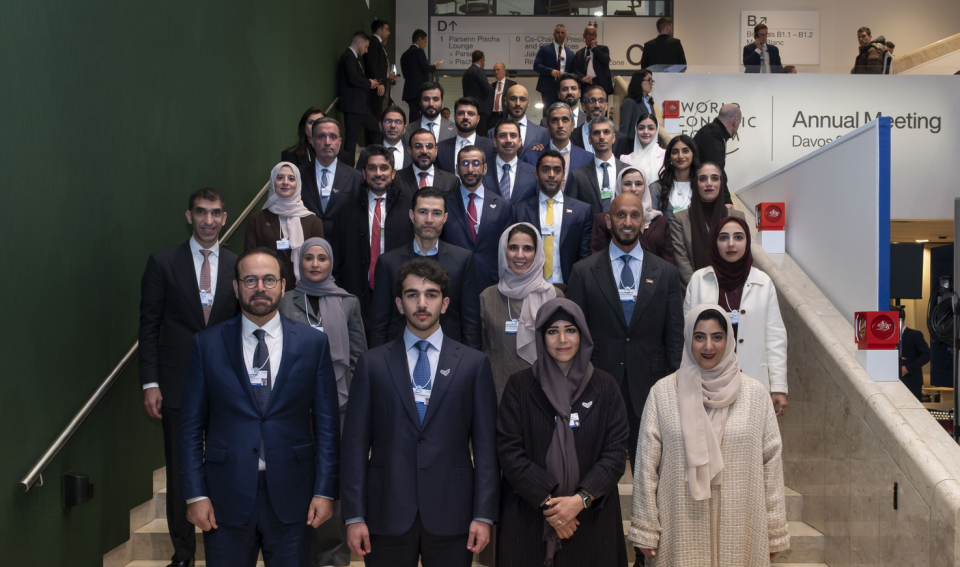
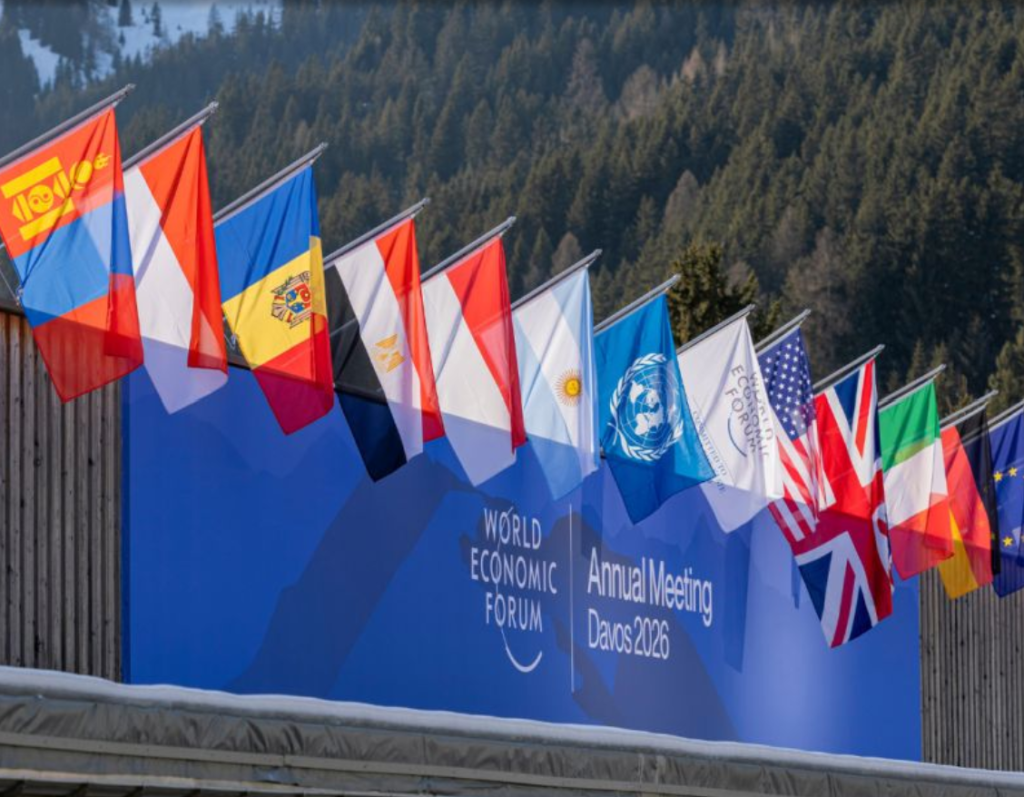
At the World Economic Forum Annual Meeting in Davos last week, the GCC, particularly Saudi Arabia and the United Arab Emirates, articulated a powerful and strategic narrative that will resonate deeply with travel industry decision makers.
Announcements from the summit, combined with concrete advances already underway across the region, indicate a shift in how the GCC will attract even more investment, talent and visitors. Davos 2026 was characterised by assertive ambition; and Saudi Arabia and the UAE used the forum to not only signal growth plans, but importantly, to redefine economic priorities, reframing tourism as a catalyst for diversification and global engagement.
Saudi Arabia on scale, diversity and cultural Bridges
One of the strongest themes at the forum was tourism’s strategic elevation as economic infrastructure. His Excellency Ahmed Al-Khateeb, Saudi Arabia’s Minister of Tourism, delivered this message unequivocally, underscoring that tourism must be led and governed as a system capable of driving resilient growth, long-term investment and inclusive employment.
He emphasised that with global tourist arrivals projected to reach 2 billion by 2030, the question now is not whether tourism will grow, but whether it will scale responsibly and sustainably. This framing, treating tourism as infrastructure akin to transport or digital networks, is a major conceptual shift with significant implications for policy, capital allocation and private-sector strategy.
In Saudi Arabia’s own economic transformation, driven by Vision 2030, tourism has become a central engine. After welcoming approximately 30 million visitors in 2025, the Kingdom is on track to attract 150 million visitors annually by 2030, bolstered by large-scale destination developments like AlUla, Diriyah and its Red Sea resorts. Tourism now contributes nearly 5 per cent of Saudi’s direct GDP and employs over 1 million people, a strong indicator of its integration into the economic mainstream.
In sessions such as “Many Shapes of Trade”, the Kingdom’s Minister of Commerce outlined Saudi Arabia’s ambition to become a “connector economy,” an intermediary linking Africa, Europe and Asia, reinforcing its strategic geographical role as a logistics and trade hub. This vision aligns with wider economic policy that seeks to embed the Kingdom at the centre of re-configured global supply chains and cross-regional commerce.
Technology and innovation were also central to Saudi Arabia’s Davos engagement. The Kingdom showcased enhancements to its Data Saudi platform, now powered by agentic AI to provide dynamic insights for policymakers, investors and researchers. This emphasises Saudi’s efforts to foster robust, data-driven policymaking and accelerate digital transformation across sectors.
The UAE on diversity, policy innovation and digital-first experiences
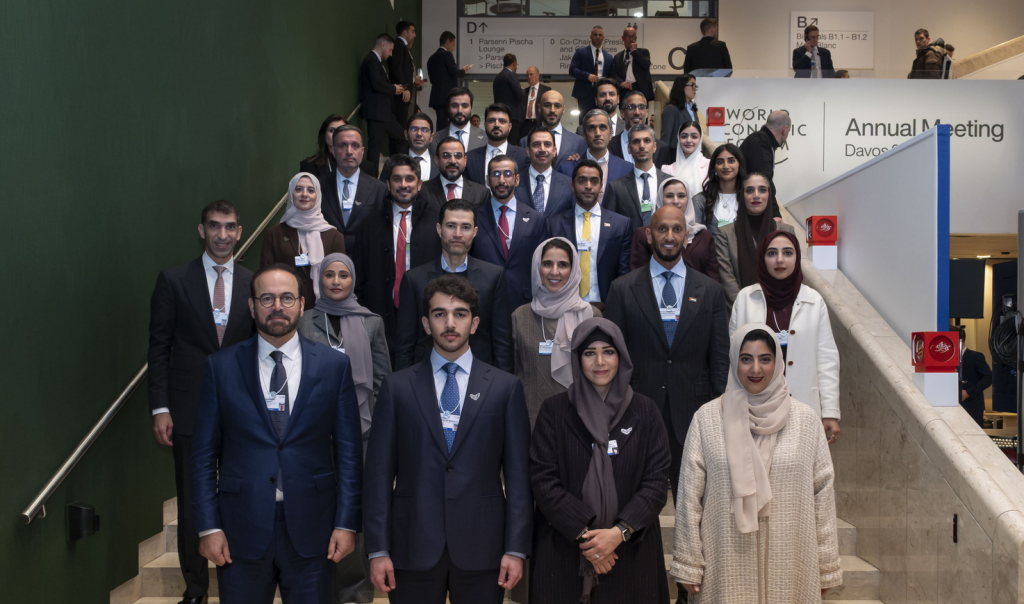
Meanwhile, the UAE highlighted its role as a global hub of innovation, governance and knowledge, positioning tourism within a broader agenda of technology adoption, education reform and strategic partnership. With a delegation of more than 100 leaders, the UAE announced major initiatives including a strategic partnership with the WEF that will host the annual Global Future Councils meetings in Dubai for the next five years.
At the same time, the UAE launched the Global Strategic Intelligence Programme, designed with the WEF to equip governments with advanced analytical tools to anticipate geopolitical and economic shifts. These moves cement the UAE’s commitment to combining tourism growth with innovation ecosystems and foresight-led policy making.
Education and AI-driven future skill development also featured prominently. The UAE announced the world’s first K-12 AI education mandate, embedding artificial intelligence into curricula from kindergarten to secondary school, a long-term investment in human capital that will reverberate through future labour markets and service industries, including tourism and hospitality.
GCC integration
While the unified GCC tourist visa, the so-called GCC Grand Tours Visa, has experienced delays due to technical and security preparations, officials confirm its rollout is planned for later this year. Once implemented, the visa will enable seamless travel across all six Gulf states (UAE, Saudi Arabia, Qatar, Oman, Kuwait and Bahrain), significantly enhancing multi-destination itineraries and reducing barriers for international travellers. Regional stakeholders remain positive that, despite the delay, the system will boost visitor flows, average stay lengths and regional tourism revenues.
Complementing this multilateral visa initiative is the GCC “one-stop” travel system, already piloted between the UAE and Bahrain. This programme permits GCC nationals to clear immigration, customs and security at a single point — reducing friction for intra-Gulf mobility and laying practical groundwork for broader integration.
Beyond future policy frameworks, recent statistics illustrate that the GCC’s tourism sector is already delivering meaningful results. In 2024, the region welcomed 72.2 million international tourists, generating over USD 120 billion in revenue, and driving employment growth with more than 1.7 million tourism-related jobs. Intra-GCC travel accounted for a significant proportion of visits, demonstrating strong intra-regional demand and the tangible benefits of mobility reforms.
Within this context, global forecasts discussed at Davos estimate that tourism could contribute up to $16 trillion to the global economy by 2034, a staggering opportunity that the Gulf intends not merely to participate in, but to shape. Strategic investments in digital services, world-class infrastructure and sustainable tourism offerings are designed to capture and expand this value pool.
Some wider GCC initiatives
Across the GCC, complementary initiatives are gaining momentum that will further amplify tourism flows and diversify market appeal.
Saad Al Kharji, Chairman of Qatar Tourism, who represented Qatar at the WEF, highlighted tourism’s growing role in driving international cooperation, innovation and sustainable development amid global uncertainty, positioning it as a catalyst for connectivity and cultural exchange. He also underscored Qatar’s long-term tourism strategy, focused on strengthening partnerships, accelerating digital transformation and delivering future-ready visitor experiences that support economic diversification and global engagement. For example, Qatar’s Hayya visa platform, originally designed for major sports events, now streamlines broader visitor entry and aligns with the nation’s digital transformation goals, easing interaction between travel and event sectors.
Over in Kuwait, visa-on-arrival for GCC residents is already catering to spontaneous and business travel, reinforcing the region’s pursuit of intra-GCC mobility ahead of unified visa implementation. Regional bodies are also expanding collaboration in niche segments such as cruise tourism through the Cruise Arabia Alliance, which now includes Saudi Arabia and Qatar alongside GCC partners, collectively advancing coordinated destination marketing, infrastructure synchronisation and operational standards across Arabian Gulf ports.
In addition, sports tourism is emerging as a high-yield vertical, with regional events such as Saudi Arabia’s Esports World Cup and expansive fitness and sports activation calendars in the UAE driving year-round inbound appeal and high-value traveller segments.
Key implications of these developments
- Sector reframing and investment: Tourism is being elevated from a peripheral industry to core economic infrastructure, inviting deeper engagement from institutional investors, international partners and cross-sector alliances.
- Unified mobility: Seamless travel facilitation through unified visas and integrated travel systems will unlock a new era of multi-destination tourism within the GCC, expanding product portfolios and value chains for carriers, hotel groups and tour operators.
- Innovation-led competitive advantage: Partnerships in data intelligence, AI and governance frameworks provide GCC destinations with differentiated advantages in forecasting, visitor experience personalisation and resilience planning.
- Sustainable and community expansion: Emphasis on cultural, environmental and community-oriented tourism aligns the region with global responsible travel trends, supporting long-term demand from high-value segments.
Taken together, the GCC’s narrative at Davos and the initiatives already in motion reveal a region moving with clear purpose, and that is the region is crafting a tourism ecosystem that is borderless, data-driven and deeply integrated with broader economic transformation agendas – global stakeholders should take note.