
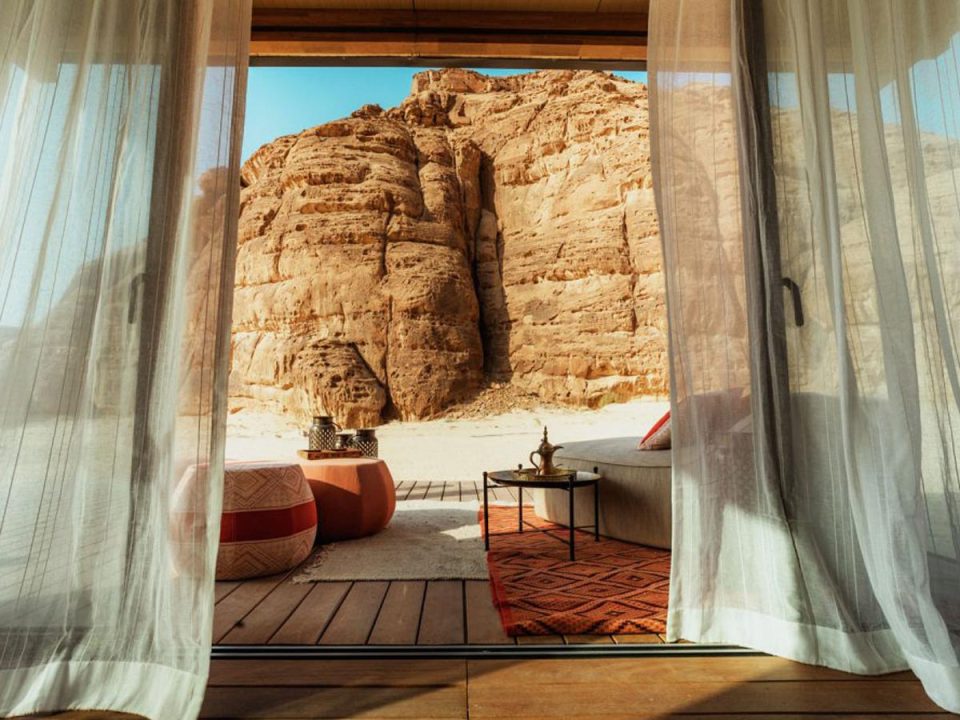
Across the Middle East, particularly in the UAE, travel is no longer defined by luxury alone. It is increasingly shaped by sustainability and climate awareness choices, digital influence, heritage ties, and a search for meaning.
The musafir.com’s report findings in its 2026 Annual Travel Insights Report did more than just catalogue booking data, it reflected a region in transition towards hyper-connected and globally mobile, yet deeply rooted in identity. Here is what that data has revealed about travel in the Middle East.
Social media inspires, community confirms
Social media is driving destination choice at scale.
- 52% of travellers say Instagram influences their decisions.
- 38% of Gen Z turn to TikTok.
- 44% watch YouTube travel vlogs before booking.
In one of the world’s most digitally connected regions, inspiration is visual and immediate. A reel from Dubai, a vlog from Abu Dhabi, a drone shot of AlUla, these are no longer passive content pieces. They are catalysts.
But the nuance for the Middle Eastern compared to many other areas in the world is that while influencers spark desire, peer reviews validate decisions. Trust networks remain central to decision-making, so in a region where reputation matters, travellers always double-check before they book or leave.
Sustainability’s growing intention, and practical barriers
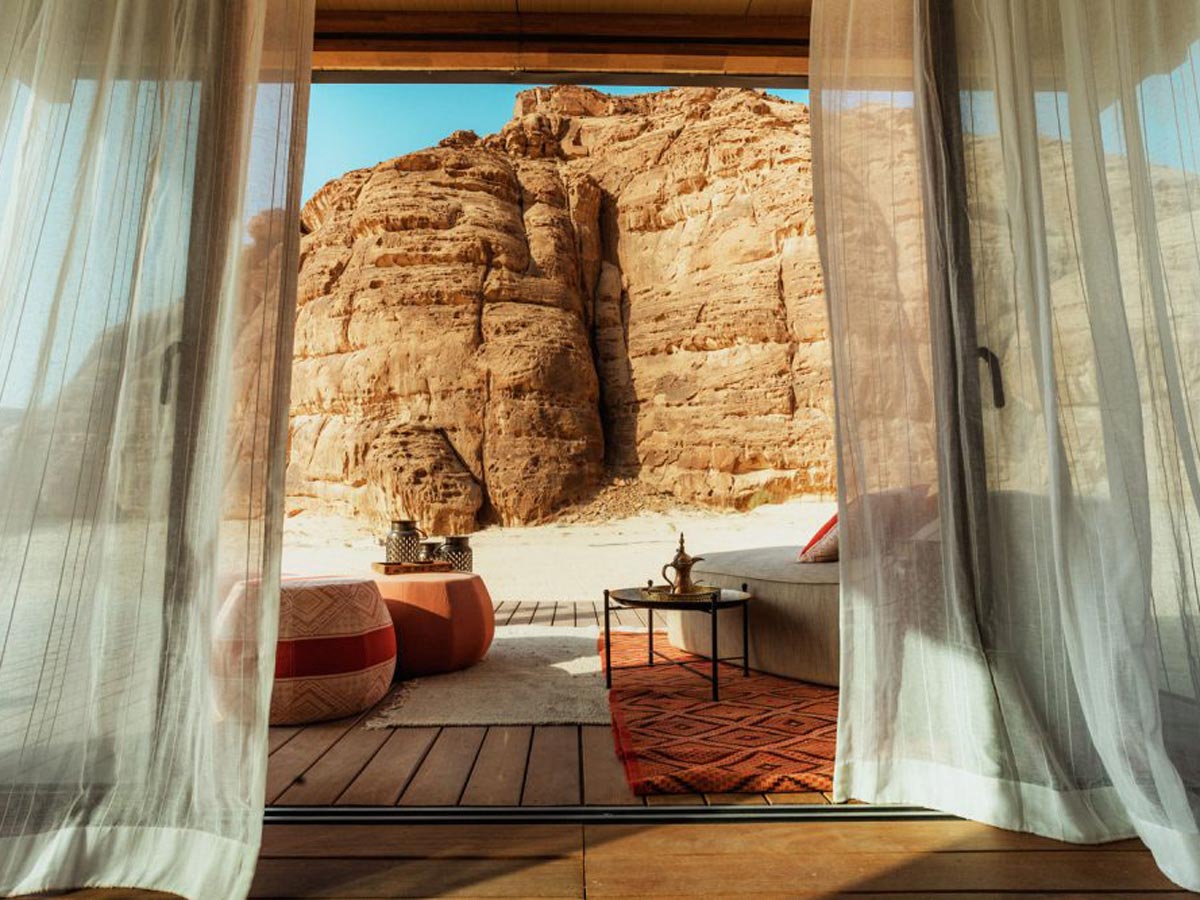
According to the report, 35% of travellers actively seek sustainable options, and 60% consider eco-friendly travel, though price sensitivity remains high.
The Middle East’s ambitious giga-projects promote environmental stewardship, yet travellers remain cautious about cost and greenwashing. Eco-lodge bookings rose 18% YoY which suggests momentum, but adoption still depends on transparency and affordability. For a region balancing rapid development with sustainability pledges, credibility will matter more than branding.
Heritage travel in a region of expats
One of the most regionally distinctive insights was that 31% of UAE expats visit their ancestral homelands at least once every two years.
In a country where expatriates form the majority, travel is often about reconnection, to India, Pakistan, the Philippines, Egypt and beyond. These trips increasingly blend obligation with exploration: family visits alongside curated cultural experiences. This highlights that heritage travel in the Middle East is not niche. It is structural.
Wellness and workcations, redefining escape
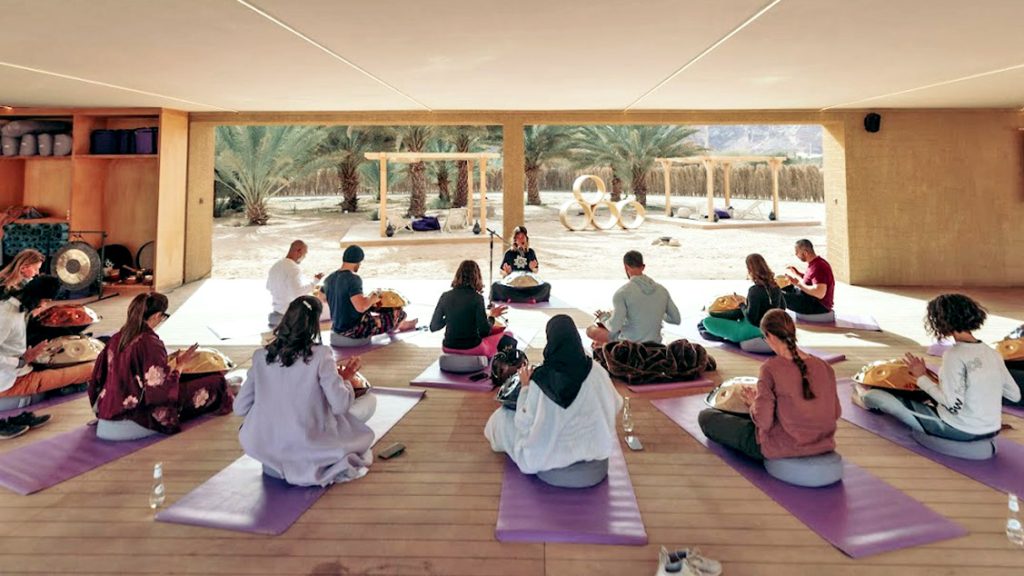
For Gulf-based professionals, often operating in high-intensity corporate environments, travel is becoming restorative rather than performative. 27% of employed travellers combine work and leisure, and 19% prioritise mental health and stress relief.
Desert retreats, spa escapes, digital detox programmes, and nature-based tourism across Jordan, Oman, and emerging Saudi destinations align with this demand. Workcations require reliable Wi-Fi and compatible time zones, making regional destinations especially attractive compared to long-haul alternatives.
Women-led travel and safety as a non-negotiable
Safety tops the list of priorities, with 82% of travellers ranking it critical. This is particularly relevant at the moment as agents and providers must address safety as part of the rebound of the Middle East. It’s also key in the context of rising women-led travel. Solo female travel is growing steadily, and female travellers increasingly prioritise cultural sensitivity, wellness, and authentic engagement.
For Middle Eastern destinations aiming to attract this segment, infrastructure, safety, and inclusive marketing are not optional, they are competitive differentiators.
Value, convenience, and frustration
While travellers seek authenticity and meaning, they remain pragmatic:
- 78% prioritise value for money.
- 70% demand seamless booking and visa processes.
- 42% cite visa challenges as a key frustration.
As a global aviation hub, visa unpredictability and service inconsistency remain friction points, so if Middle Eastern destinations can reduce these barriers, they stand to capture even greater regional loyalty.
A region of duality
The report ultimately reveals something deeper than trend lines. Middle Eastern travellers are evolving from consumers of luxury to curators of experience. They want culture over checklists, wellness over excess, connection over spectacle, even if social media does still frame the journey.
In 2026, travel in the Middle East is defined by duality. It’s digital but deeply personal, it’s ambitious yet reflective, and it’s global in reach, while regional in reinvention.